Design + Architecture
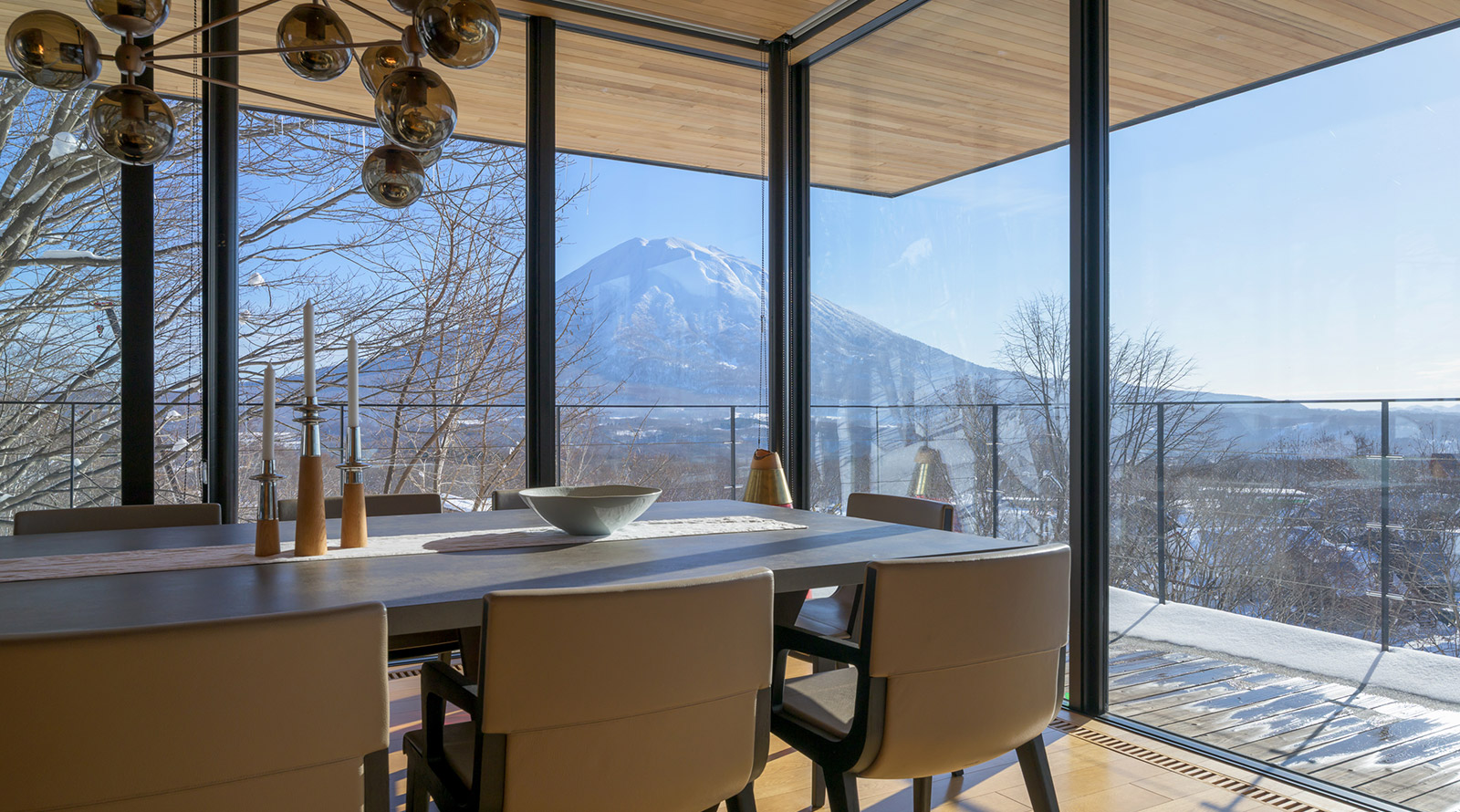
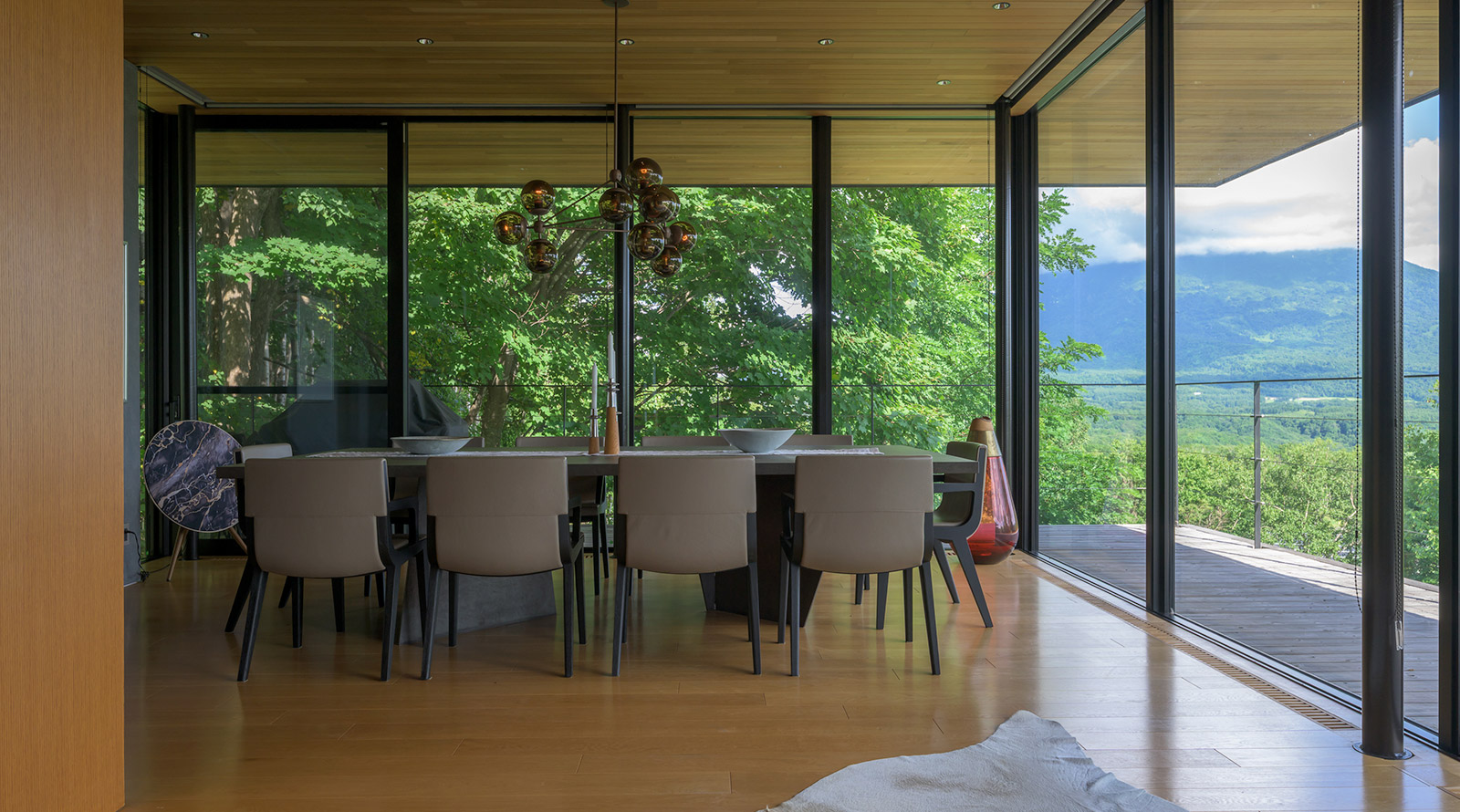
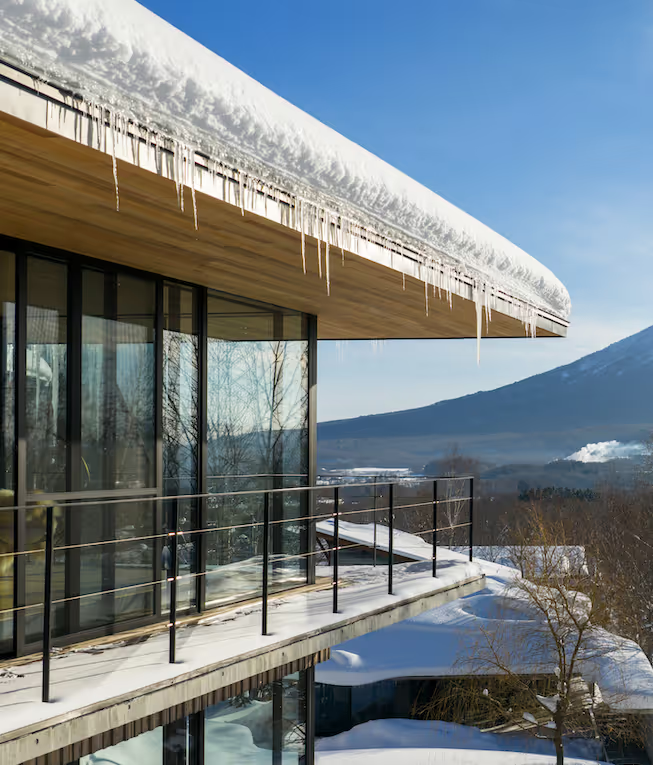
The name Yukikage, meaning “Shadow of Snow,” reflects the home’s poetic relationship with its environment. Designed to respond to the movement of light, snowfall and seasonal change, the architecture allows the landscape to become part of daily life. In winter, deep snow softens the structure into the mountainside; in summer, the home opens to forest greens and wide alpine skies. Yukikage is not simply placed in Niseko; it is shaped by it.
Ground Floor Walkthrough
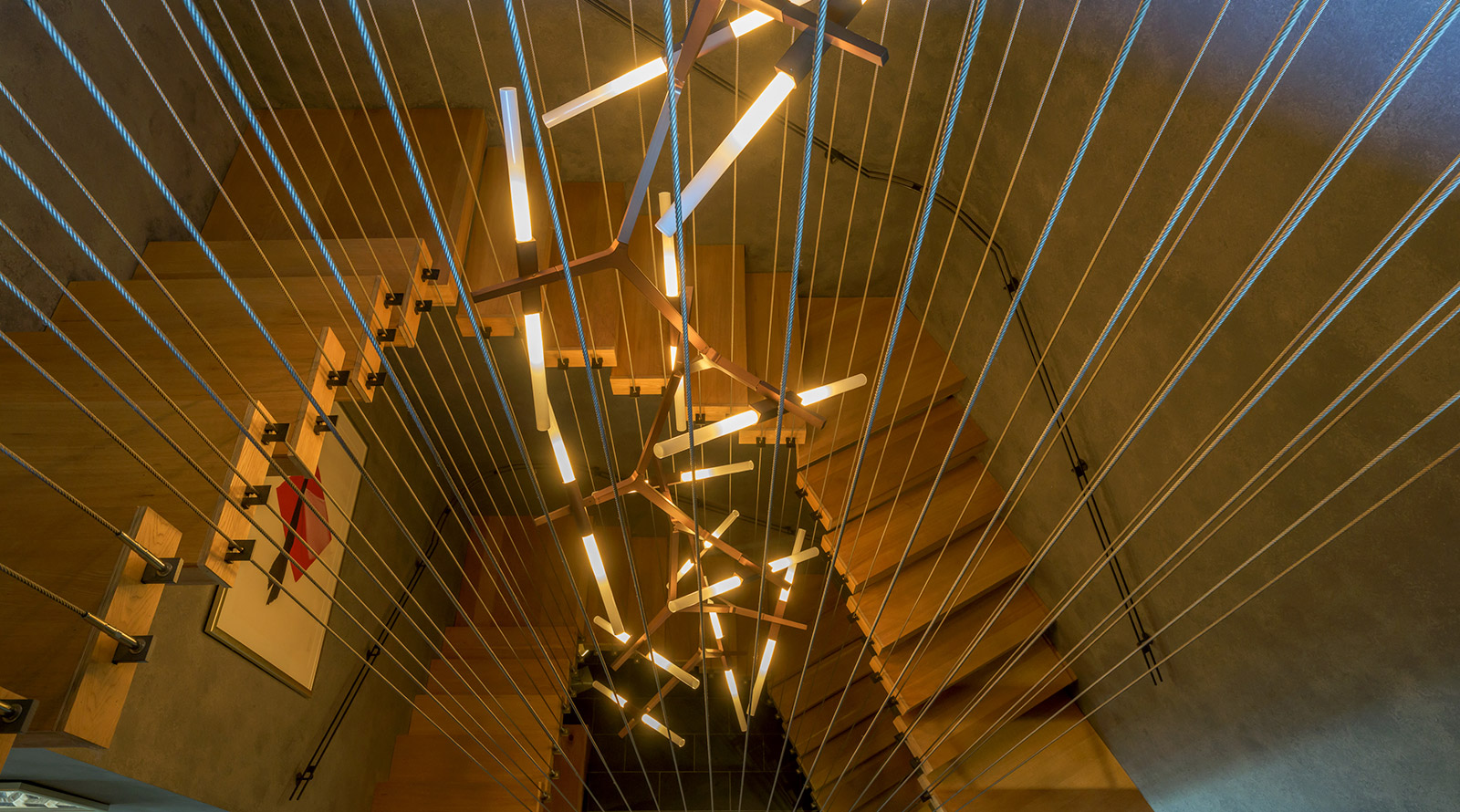
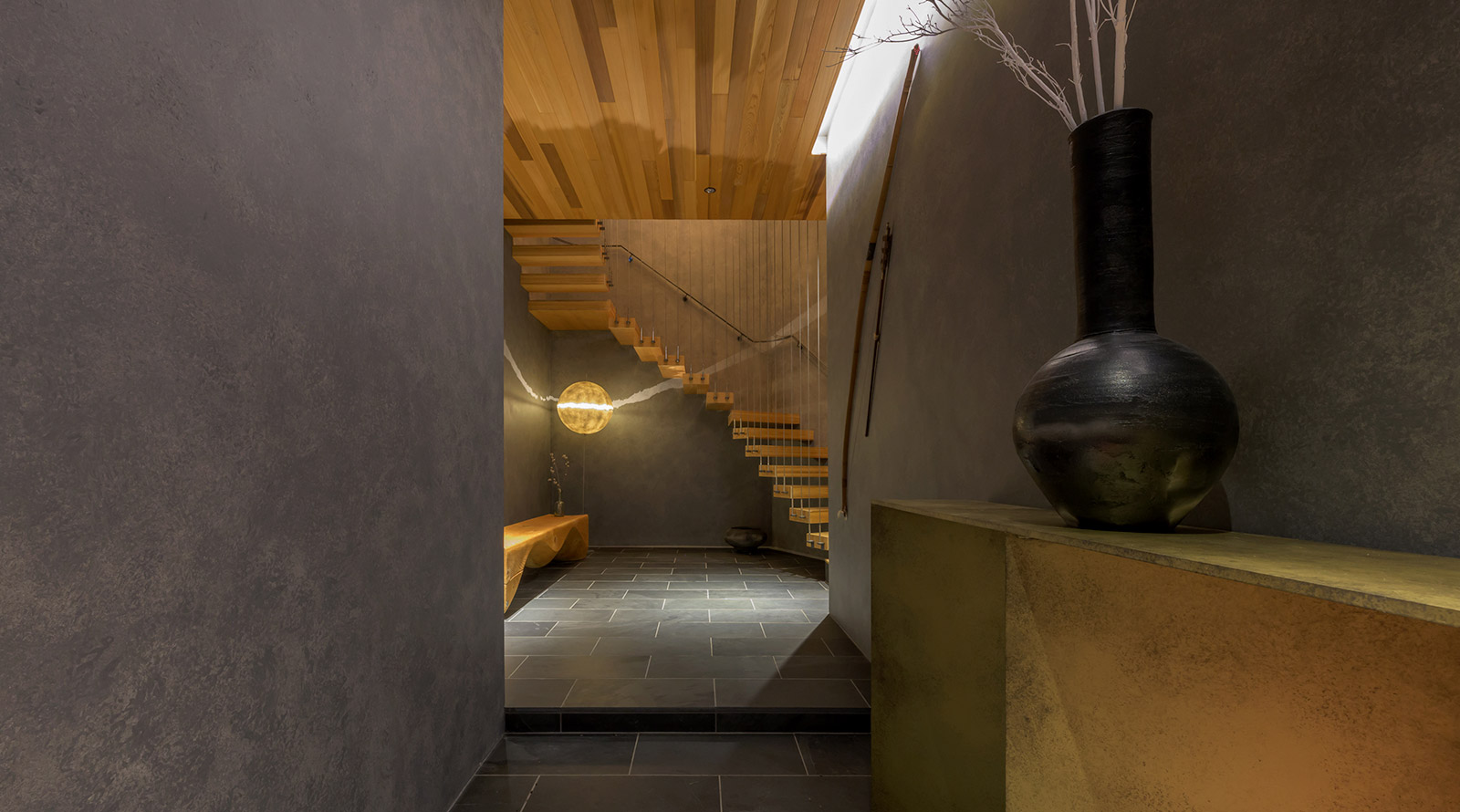
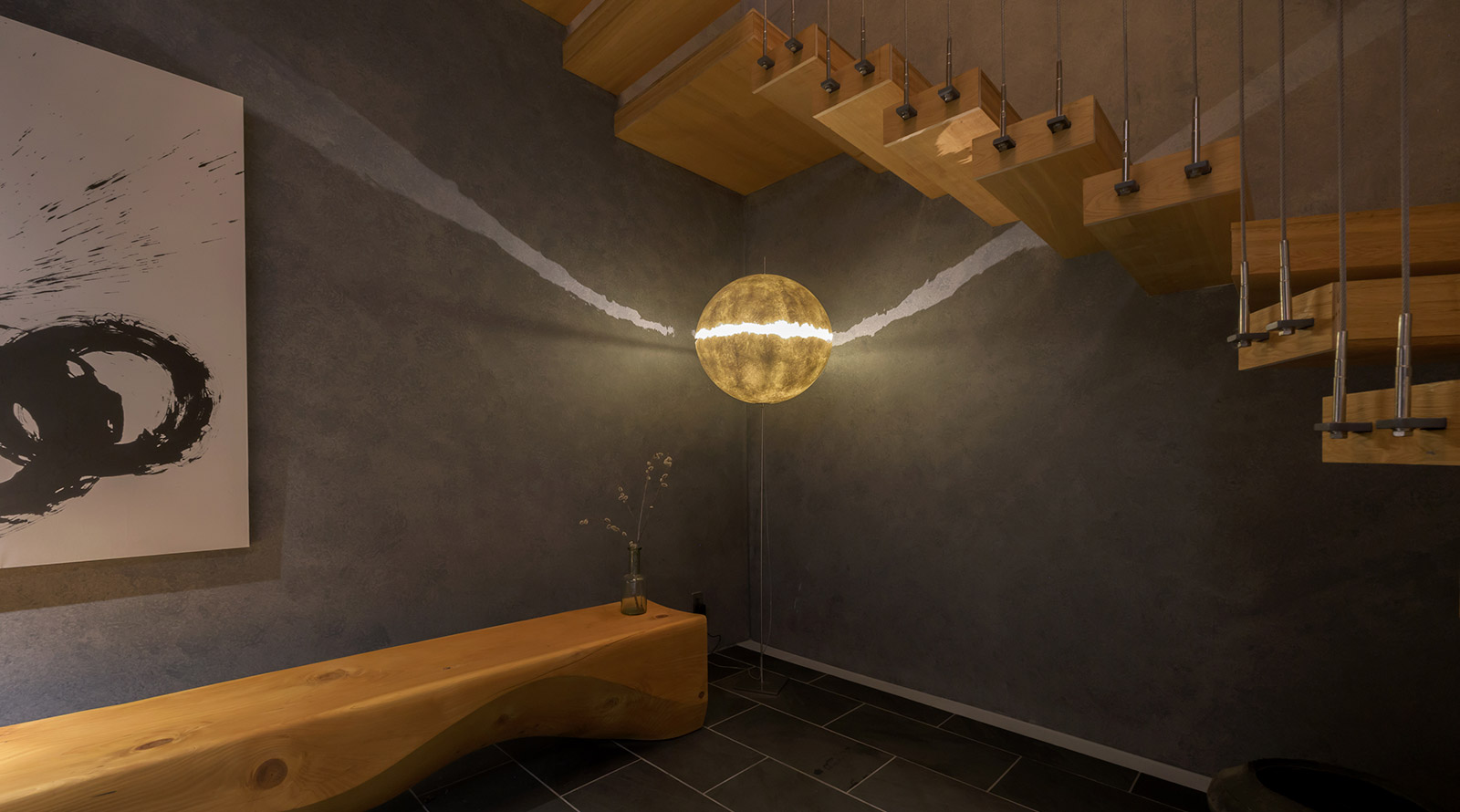

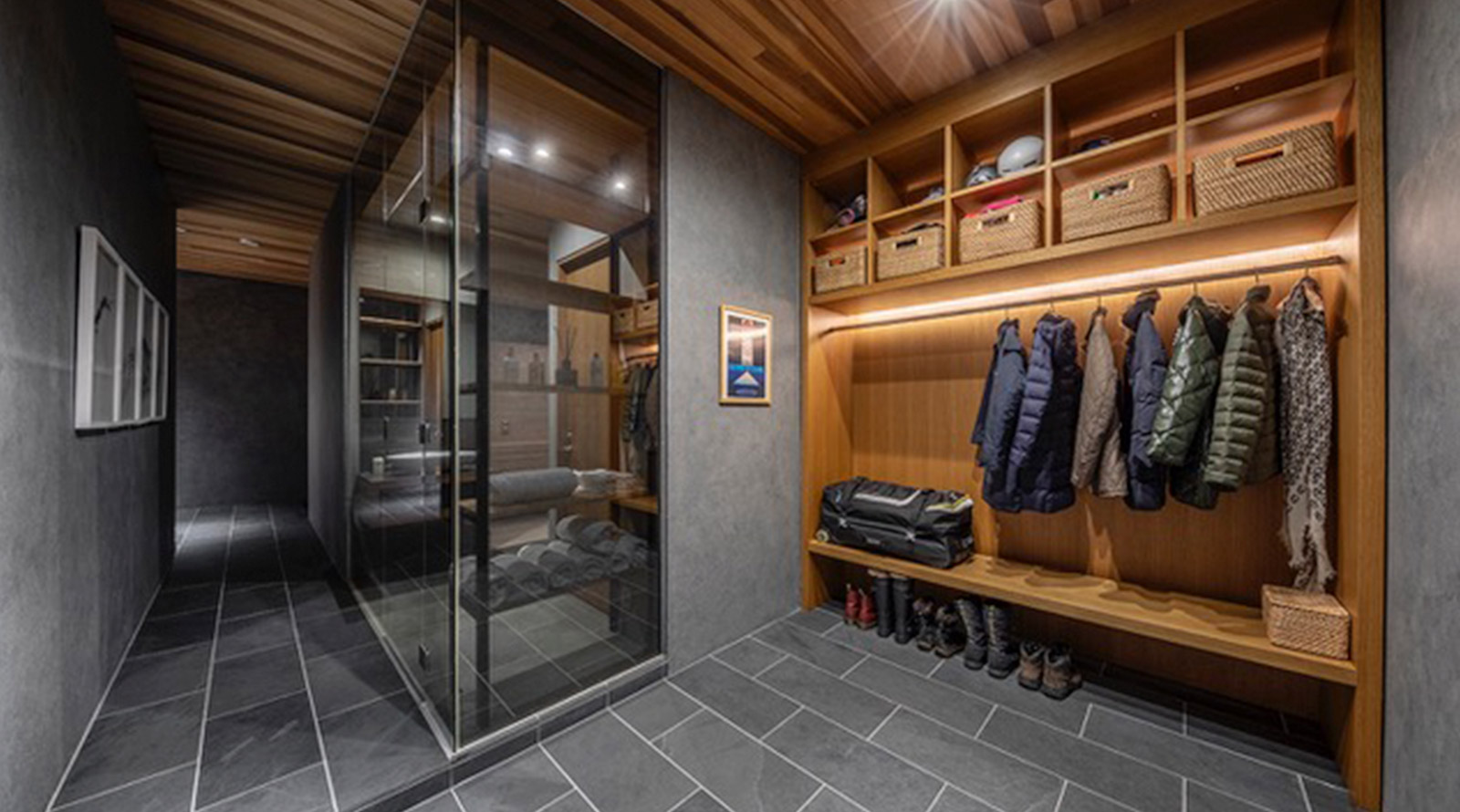
Architectural Story
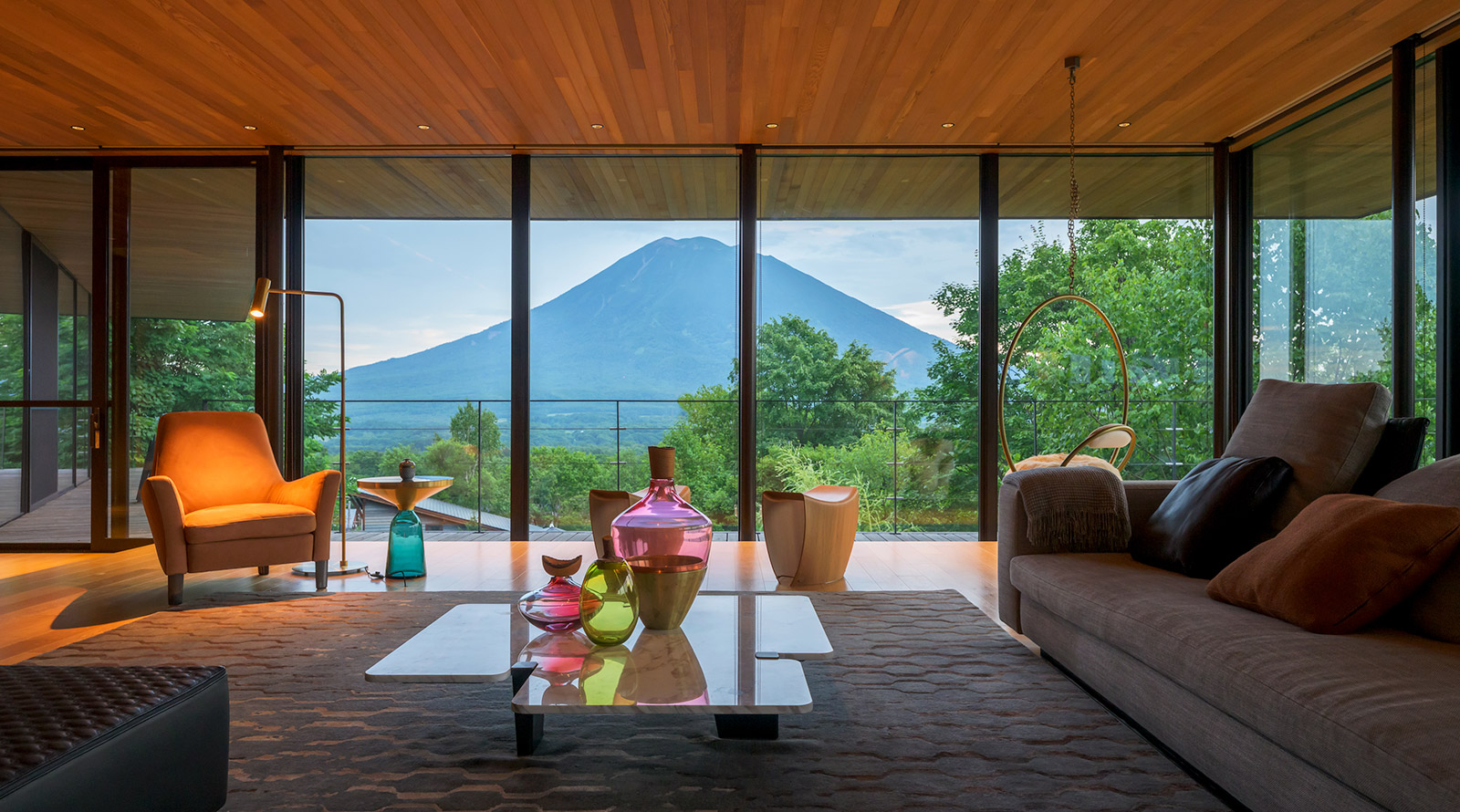
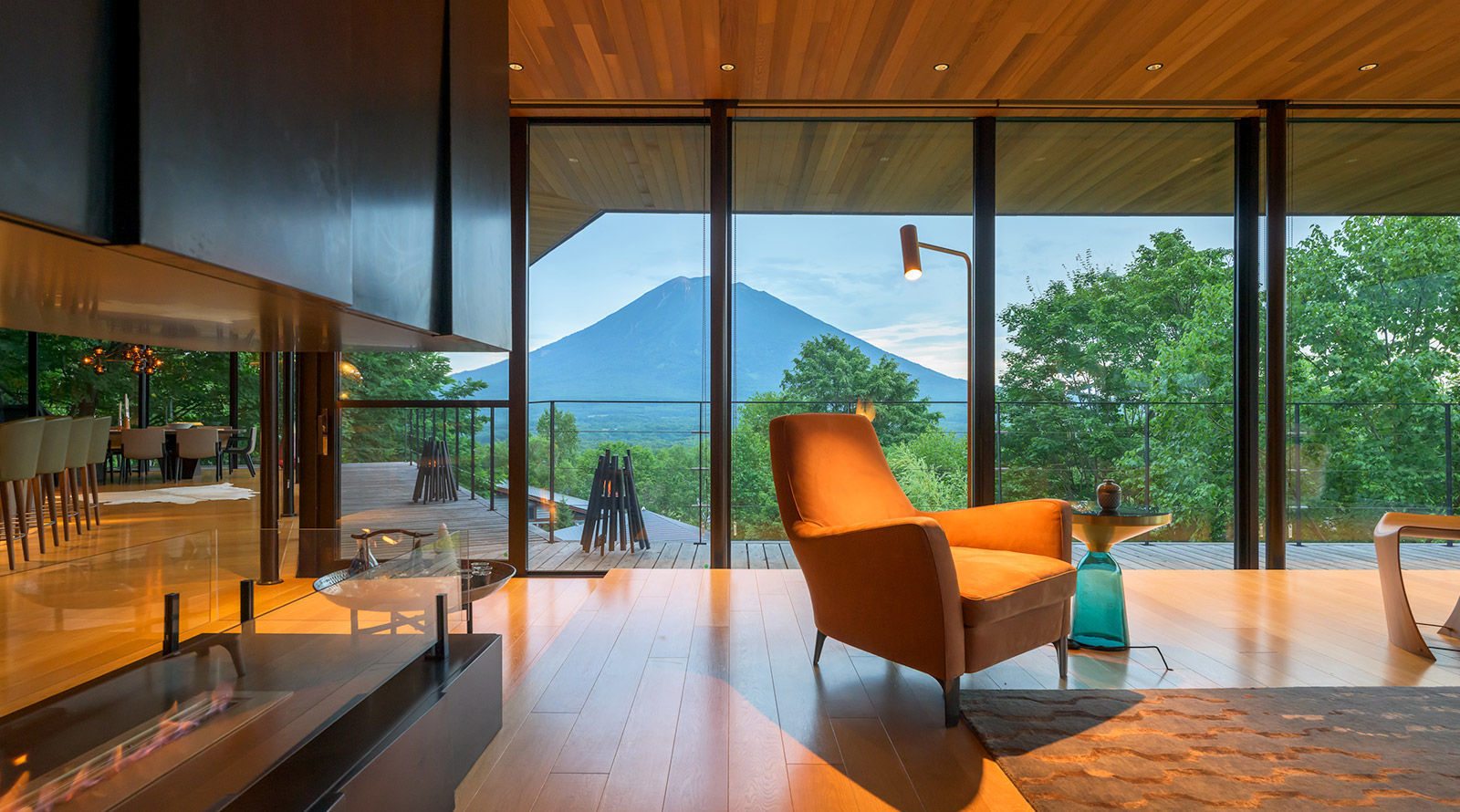
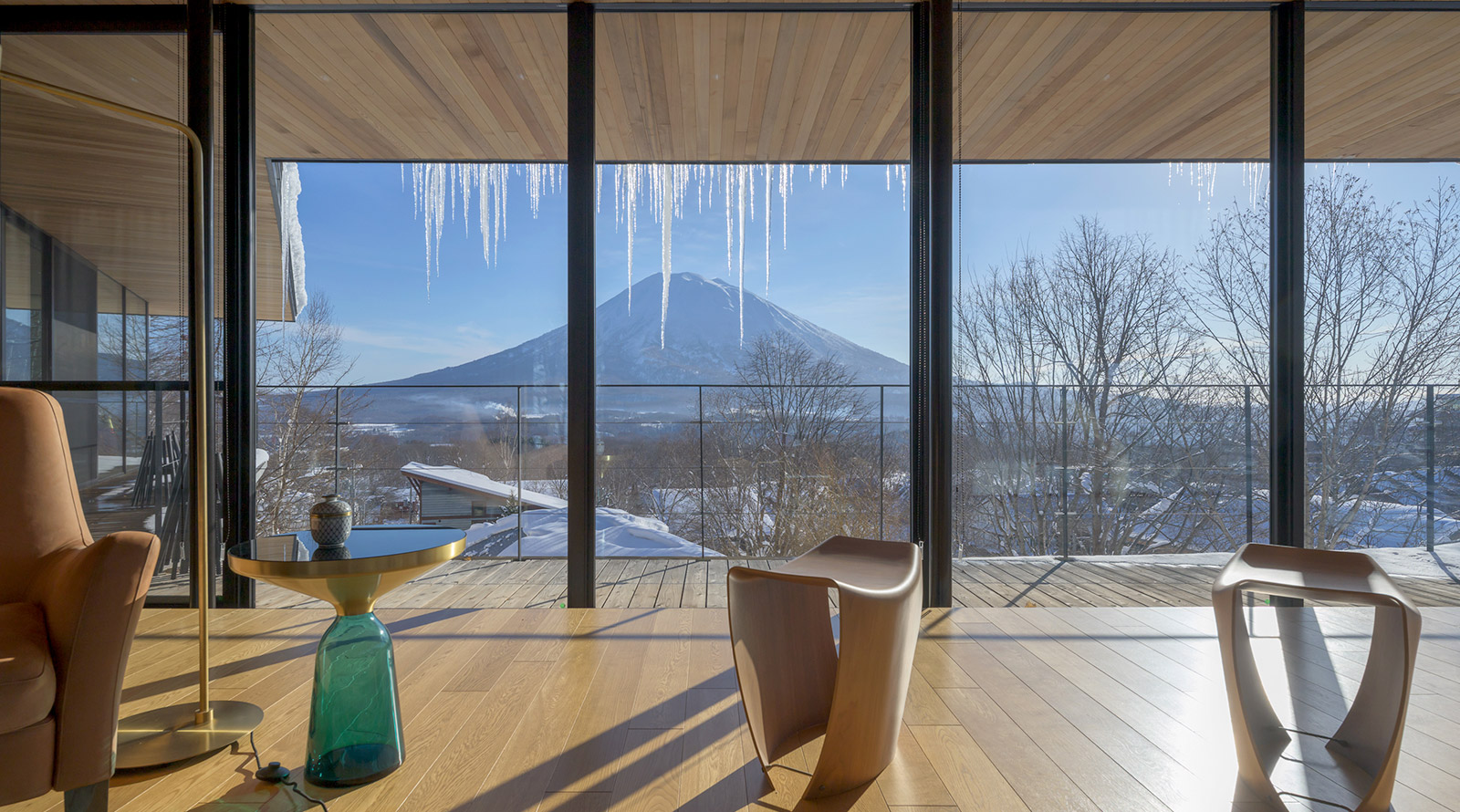
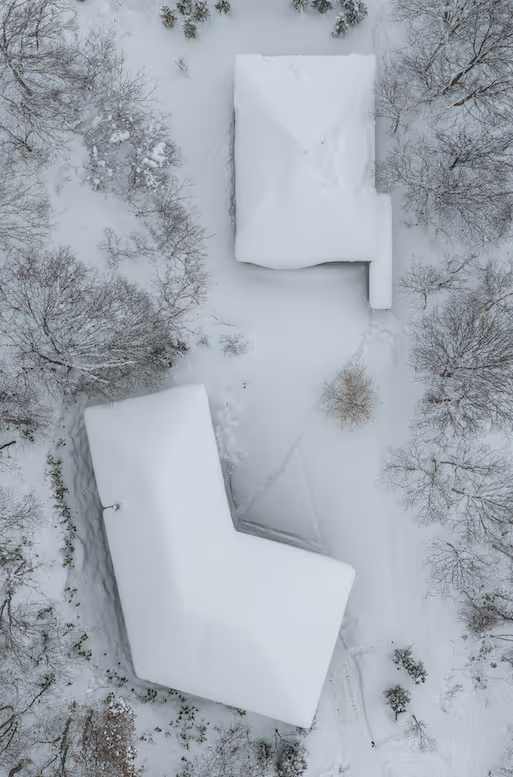
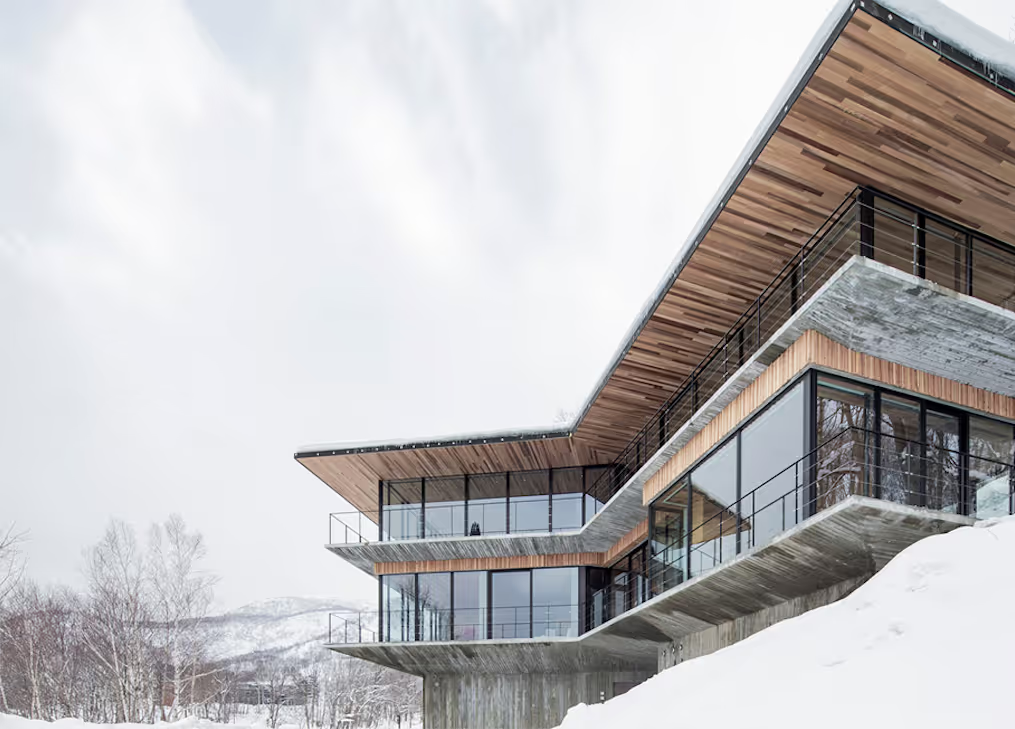
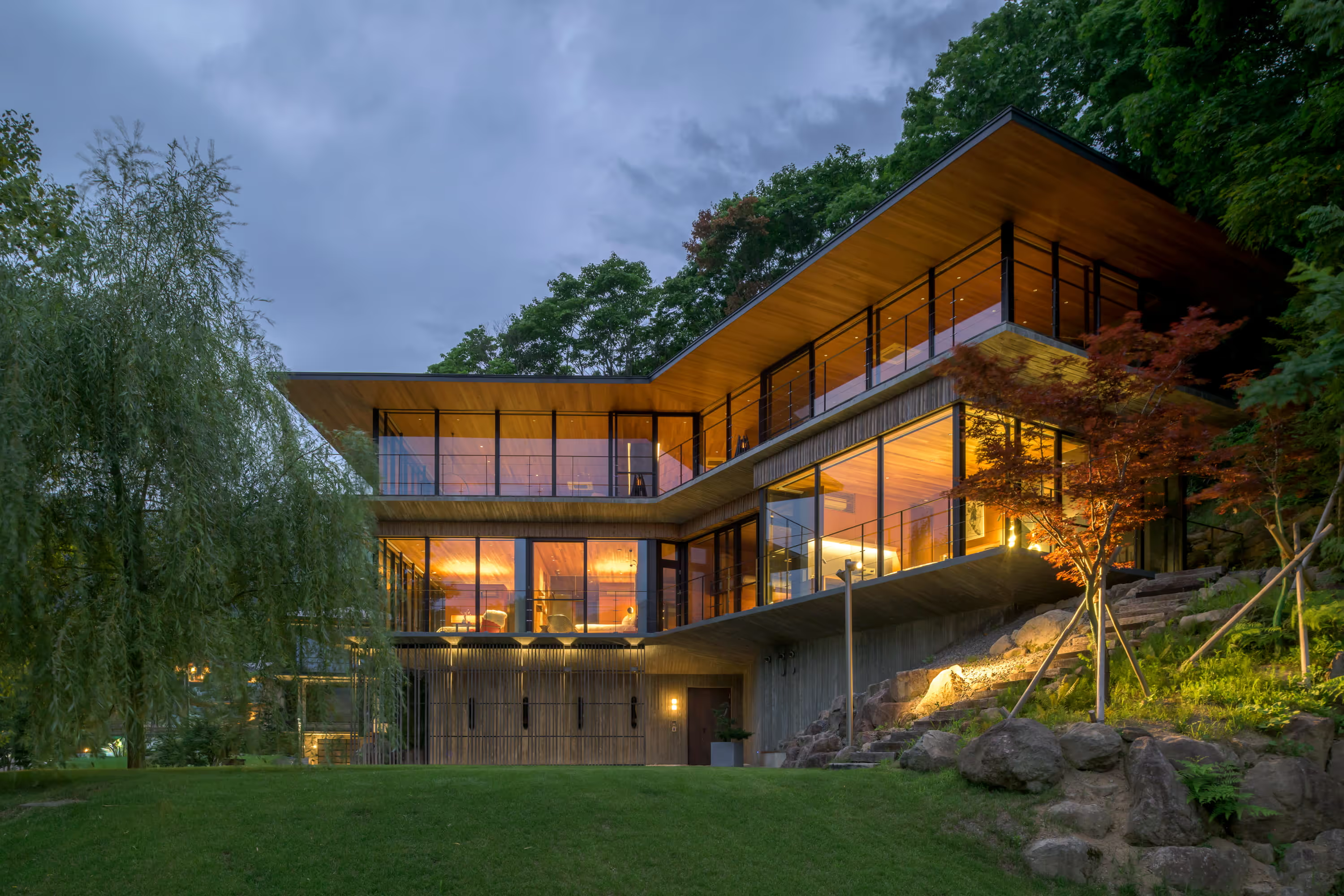
The architectural brief was very simple, to utilise the elevated, unique location to maximise the iconic views of Mt. Yotei and the ski slopes, respect the vernacular of modern Japanese architectural form, formed concrete, soaring eaves, glass and steel, but softened by use of local timber, and include alpine cues internally to soften the impact. The building was to sit back into the landscape growing organically out of the earth.
Realising this vision was revered architect Tomoyuki Sudo of SAAD, a Tokyo-based architecture and design office founded in 2015 and which is incorporated under the century-old construction and architecture firm Sudo Construction/Home Co., Ltd.
Yukikage’s experimental expression attests to Sudo’s pedigree as a student of the progressive Southern California Institute of Architecture (Sci Arc)and England’s Architectural Association School of Architecture (AA).
Realising this vision was revered architect Tomoyuki Sudo of SAAD, a Tokyo-based architecture and design office founded in 2015 and which is incorporated under the century-old construction and architecture firm Sudo Construction/Home Co., Ltd.
Yukikage’s experimental expression attests to Sudo’s pedigree as a student of the progressive Southern California Institute of Architecture (Sci Arc)and England’s Architectural Association School of Architecture (AA).

Tomoyuki Sudo, Principal, SAAD
Architecture by SAAD
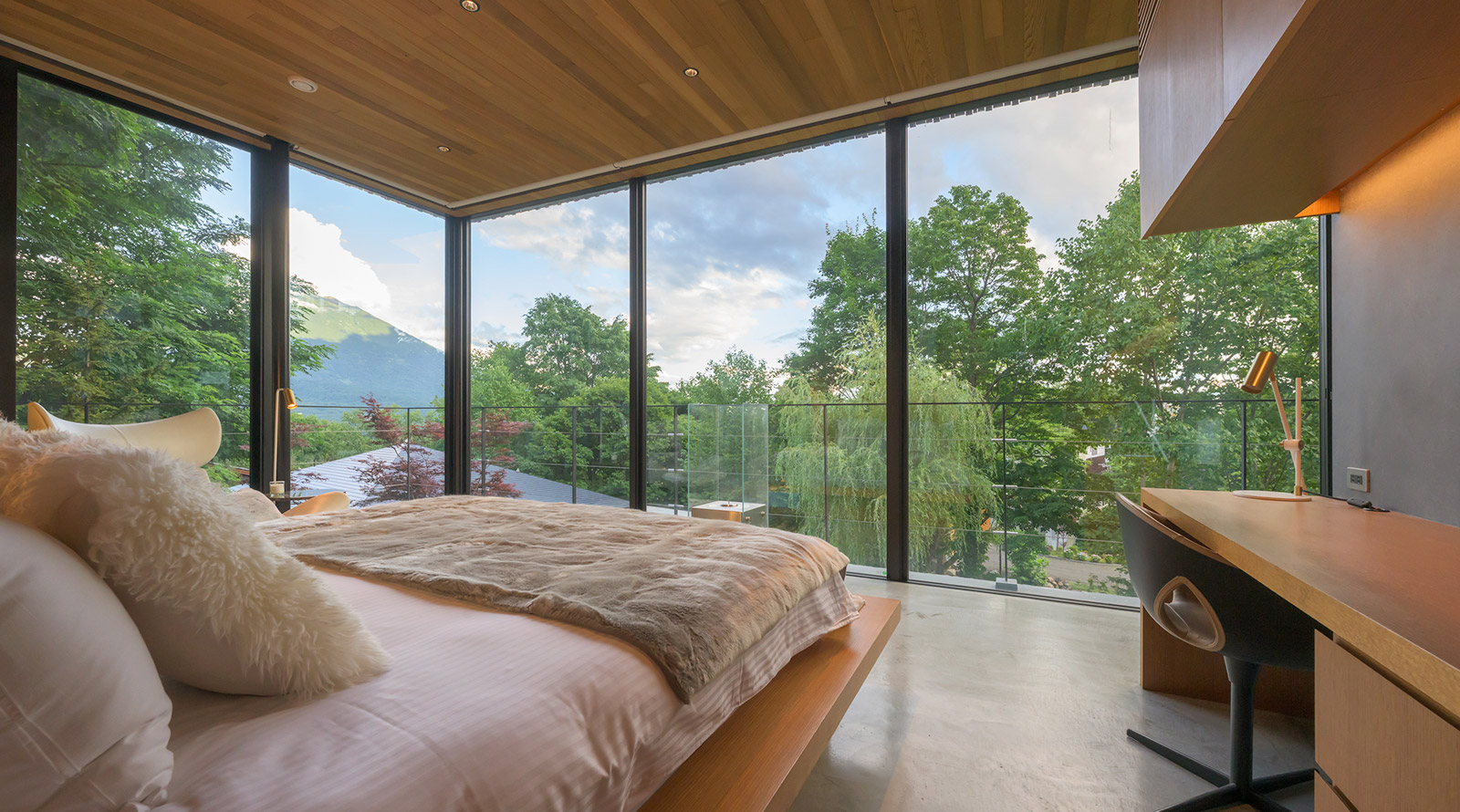
“This project is mainly focused on the views and openness. The site provides both characteristic surroundings and views…the brief was about creating a harmonious relationship with the natural environment, established through the size of the openings.”
Bedroom Floor Walkthrough

Exterior Forms
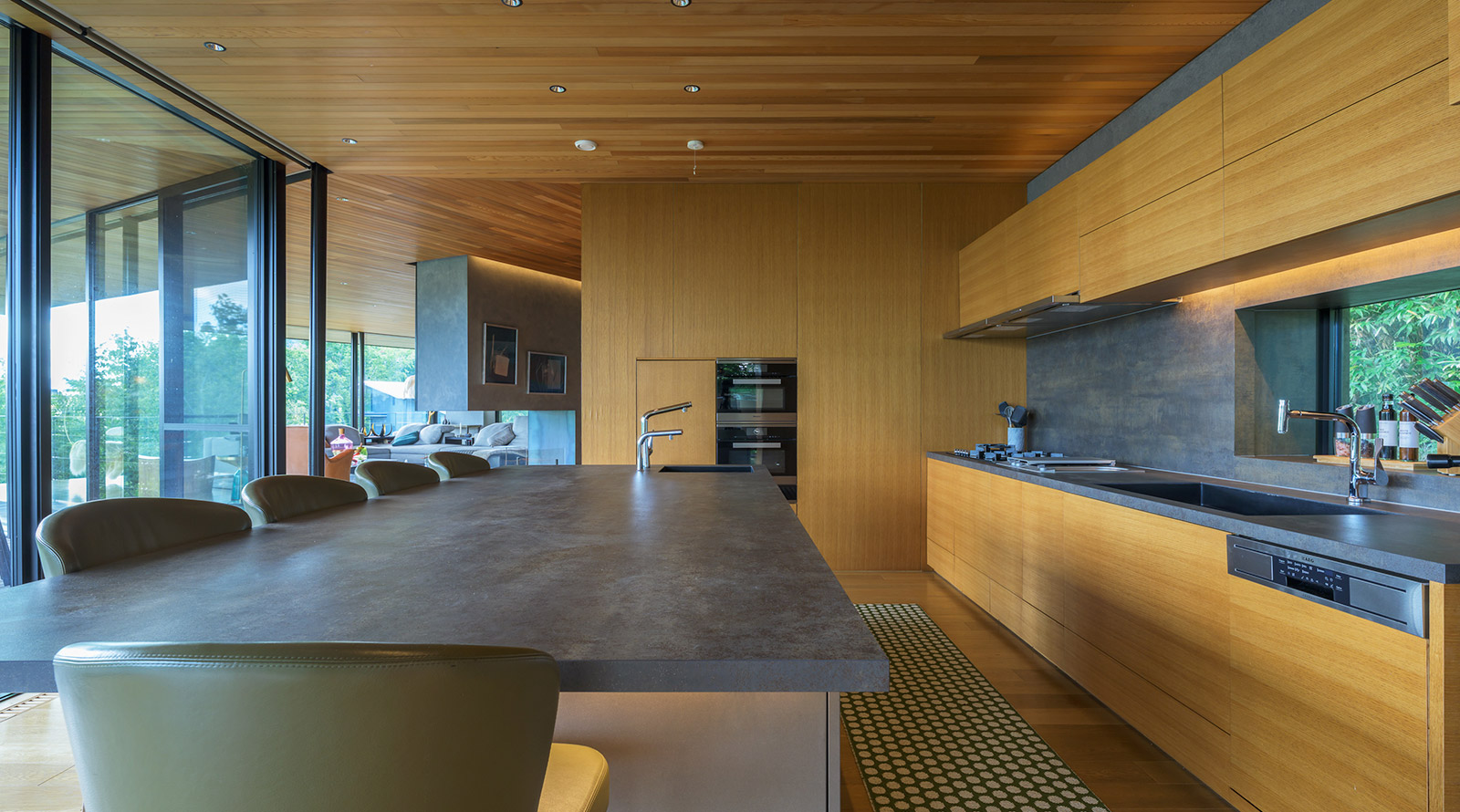
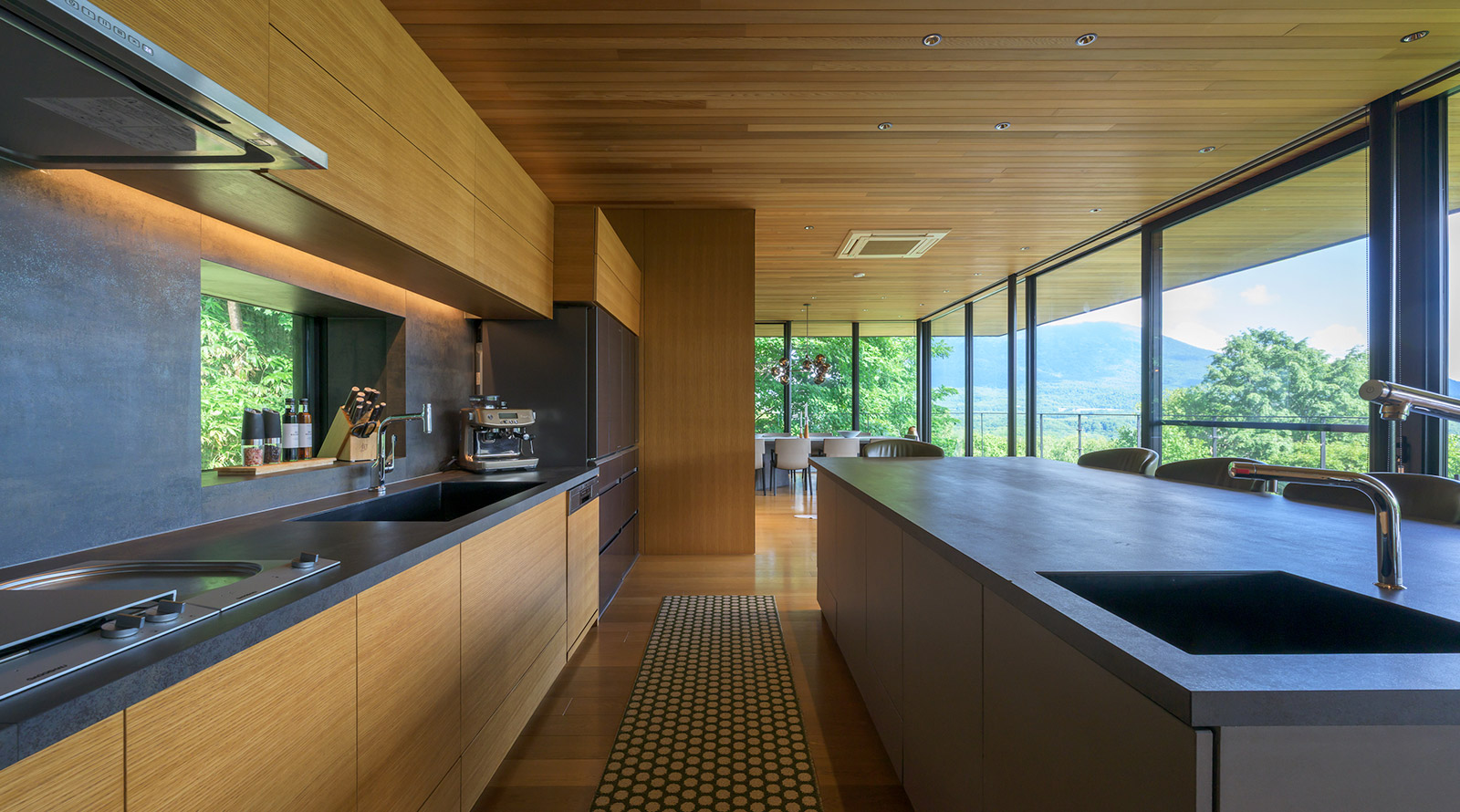
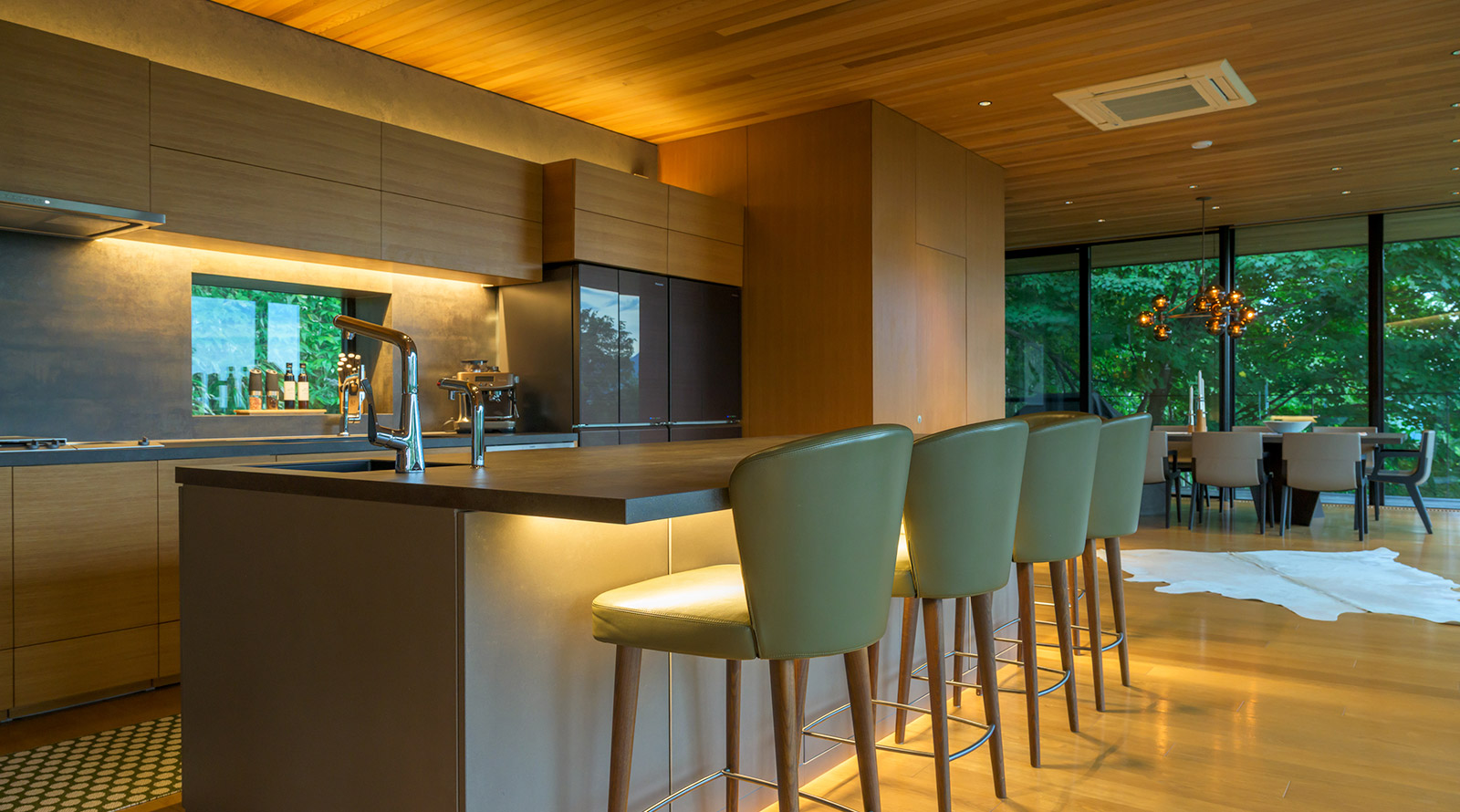
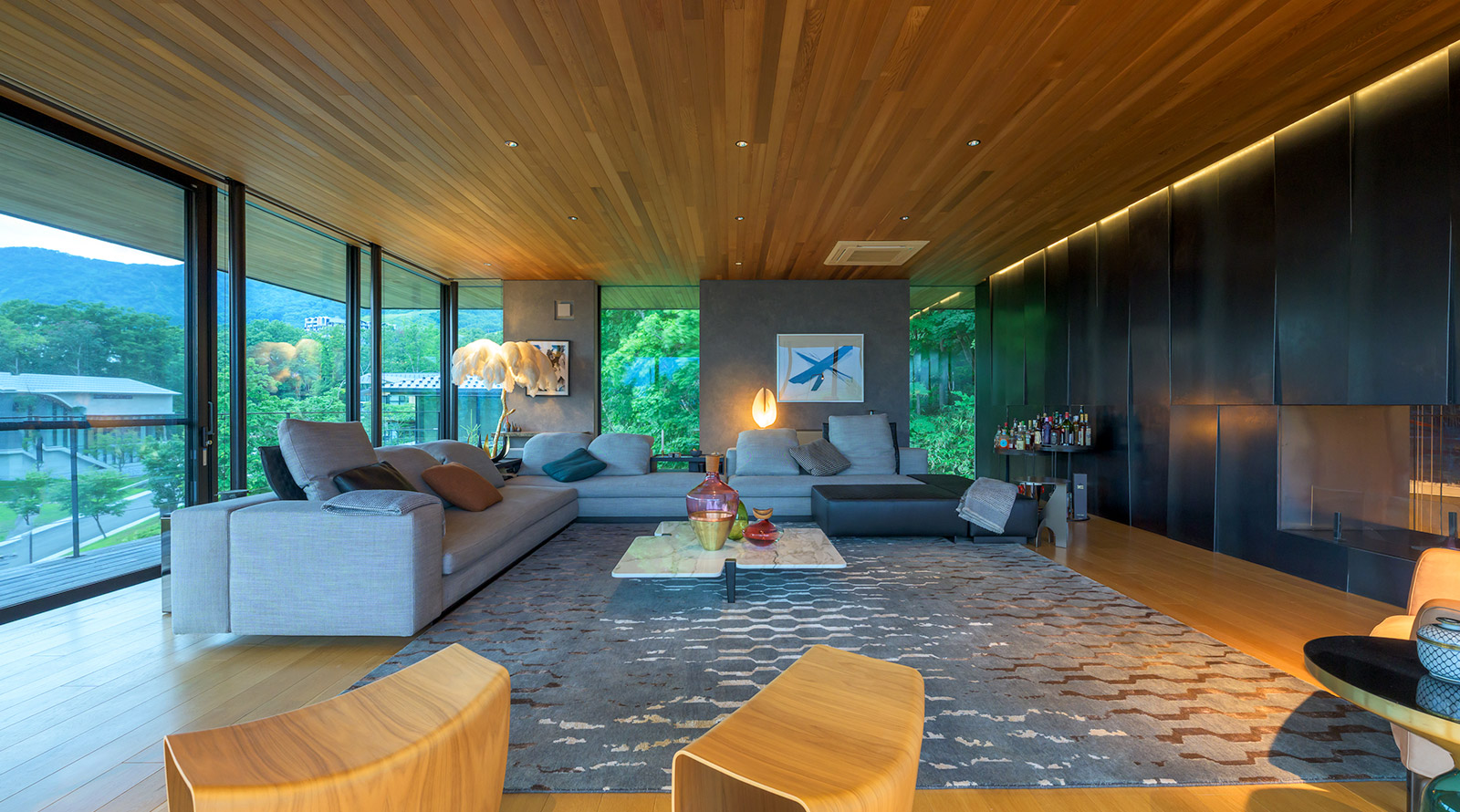
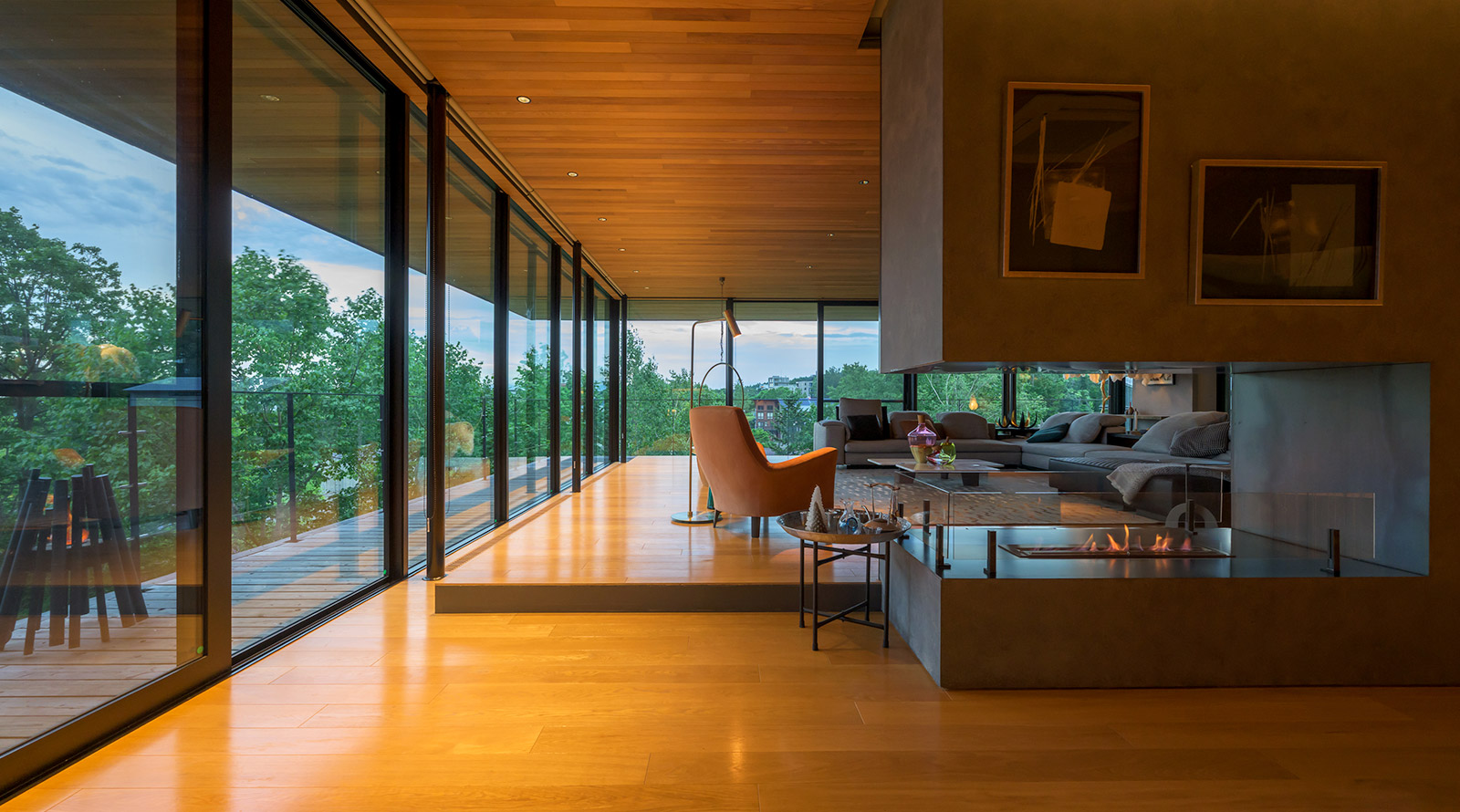
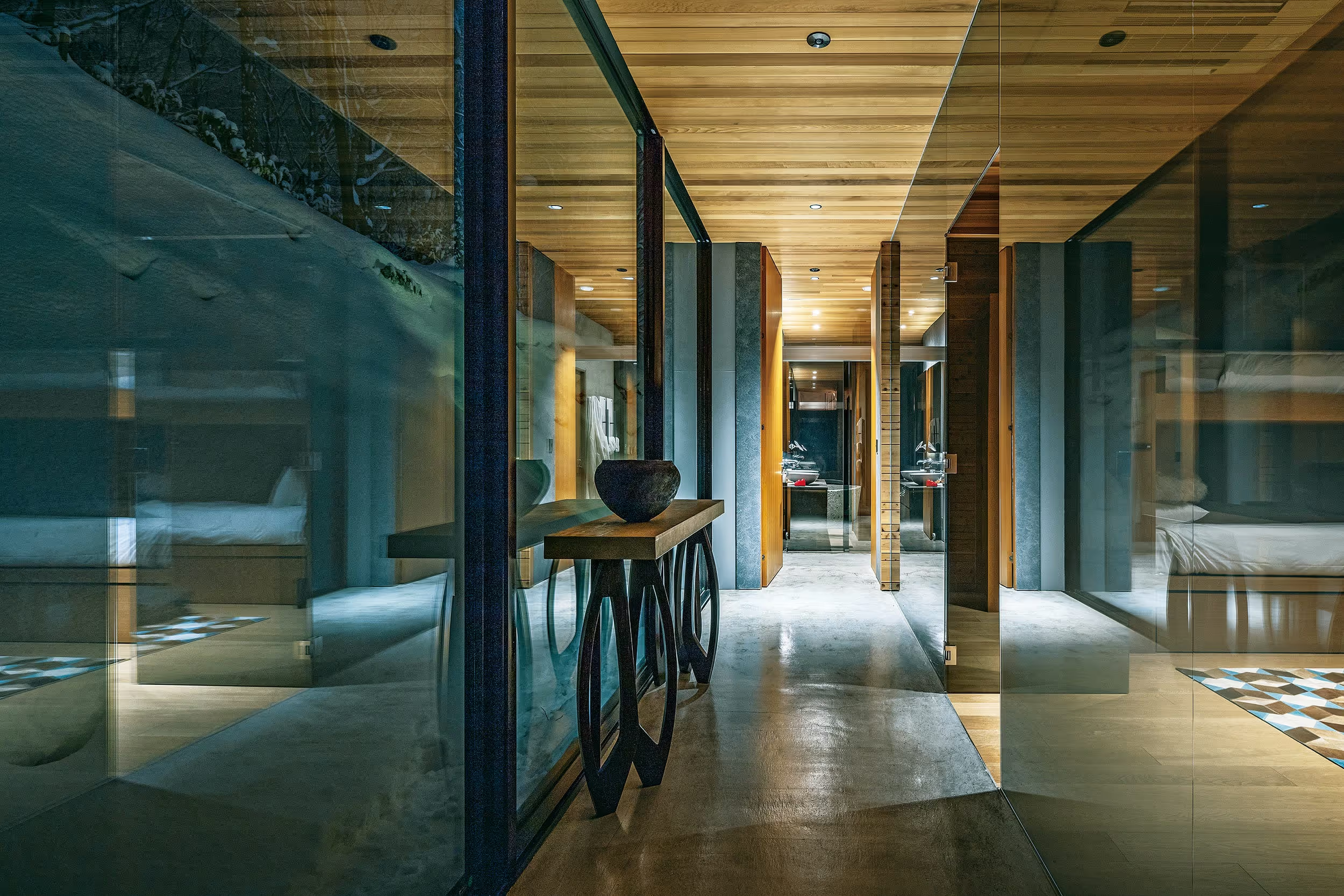
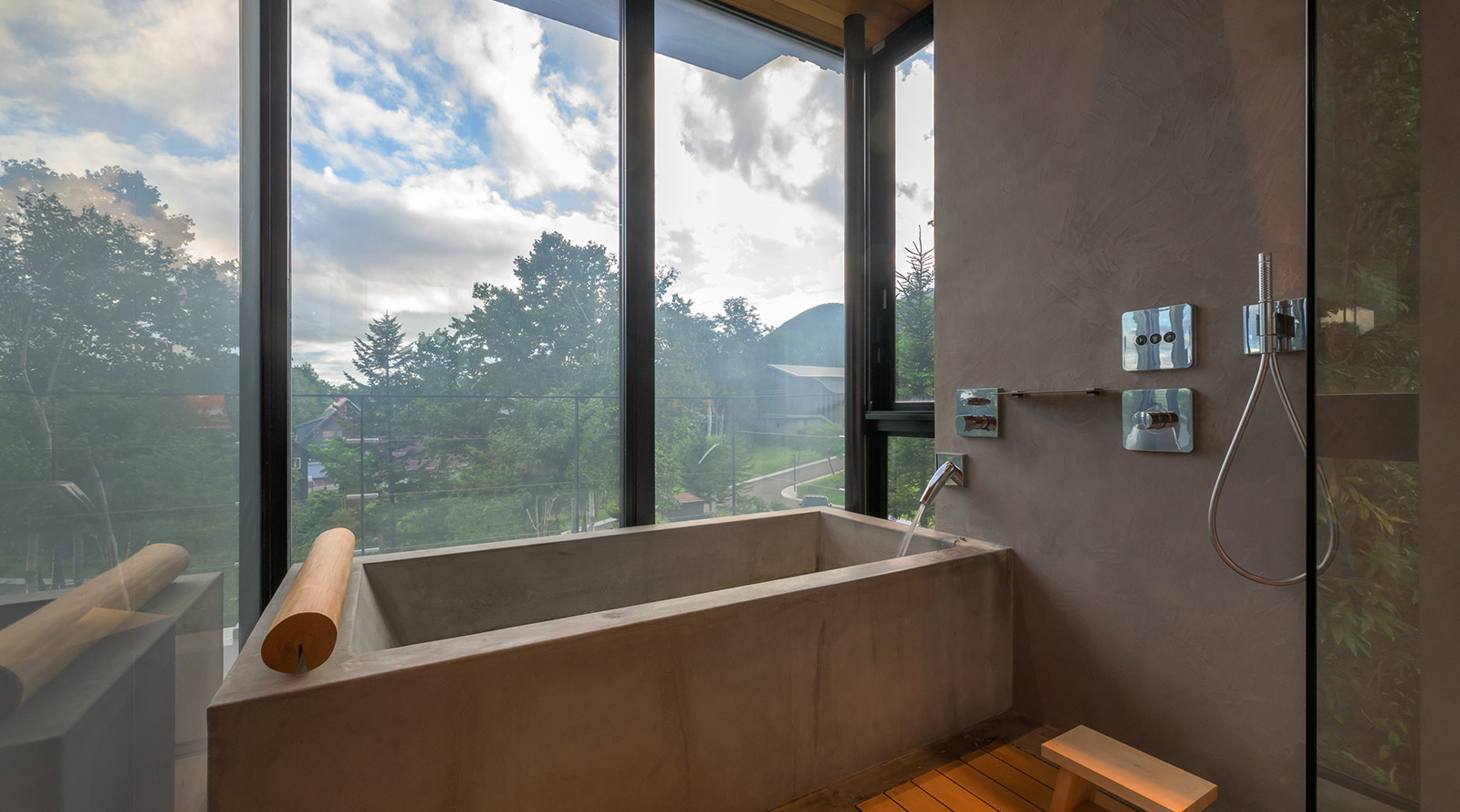
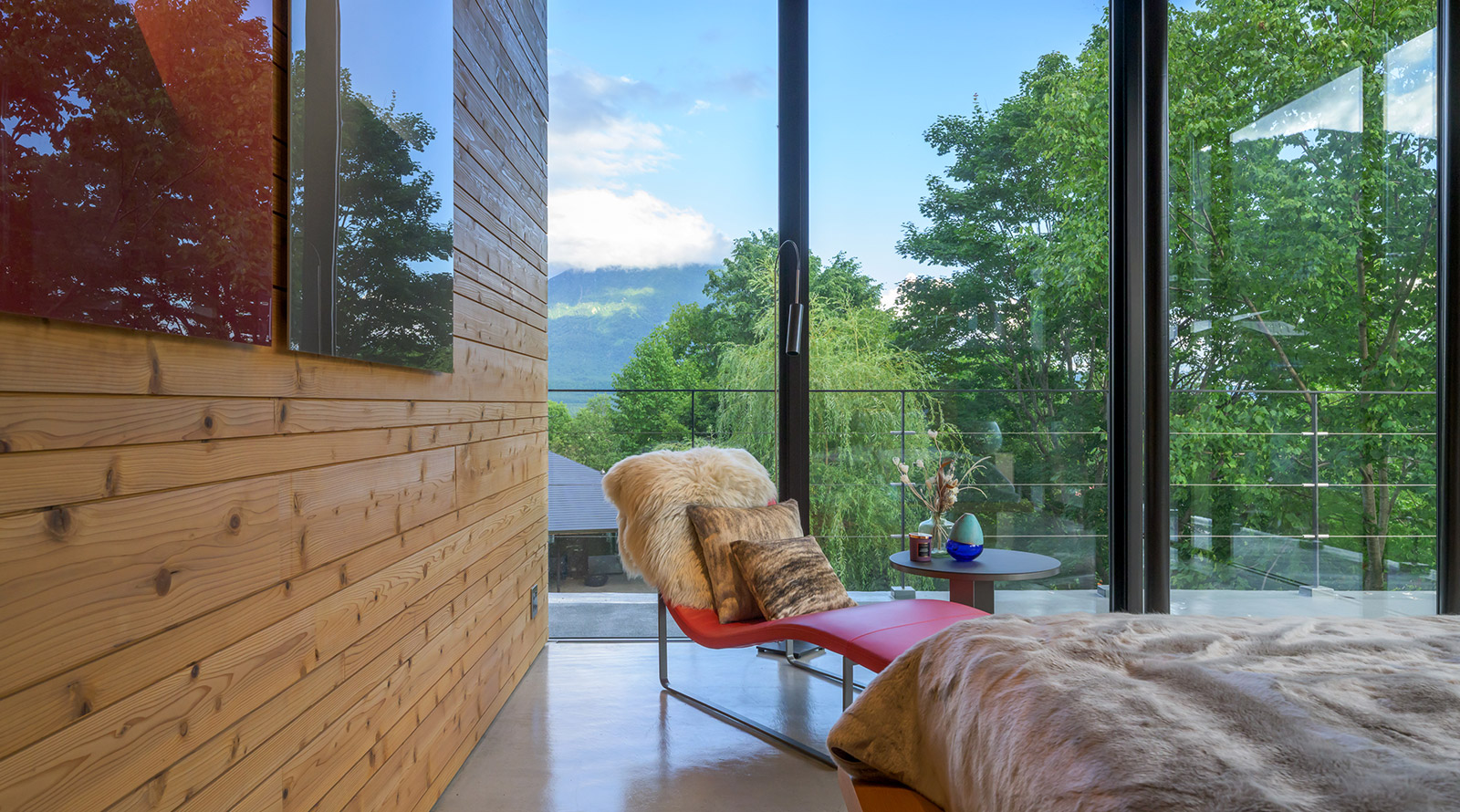
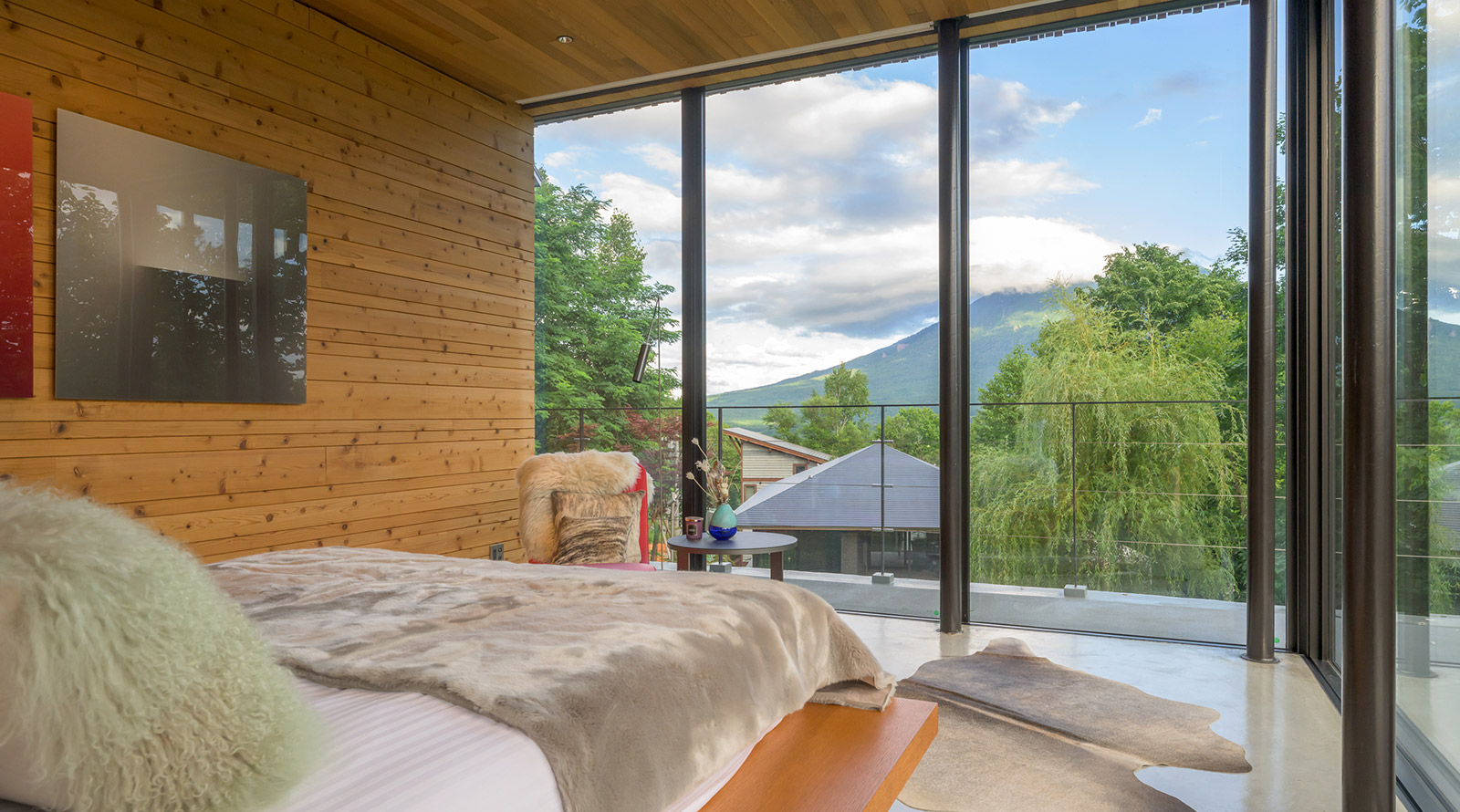
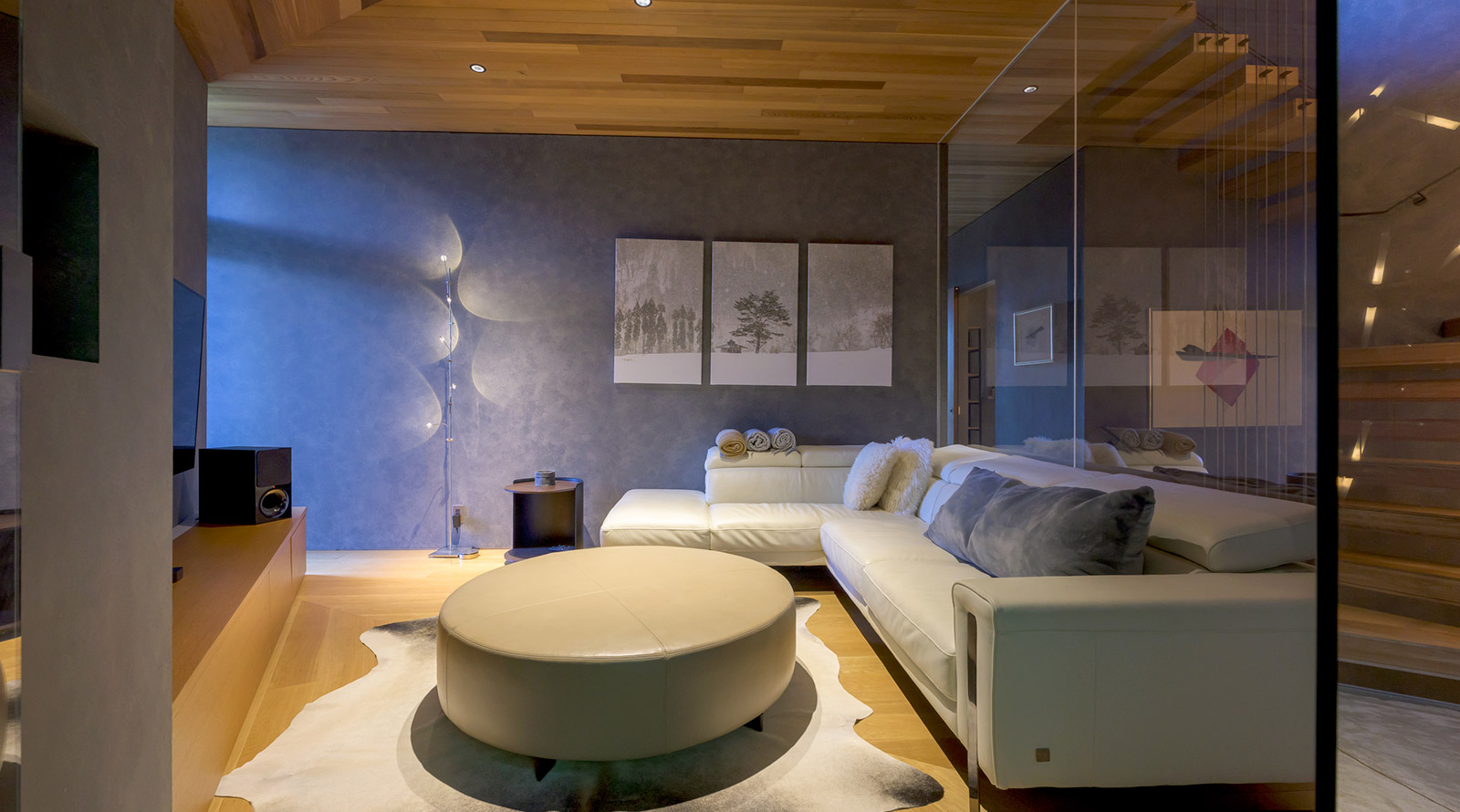
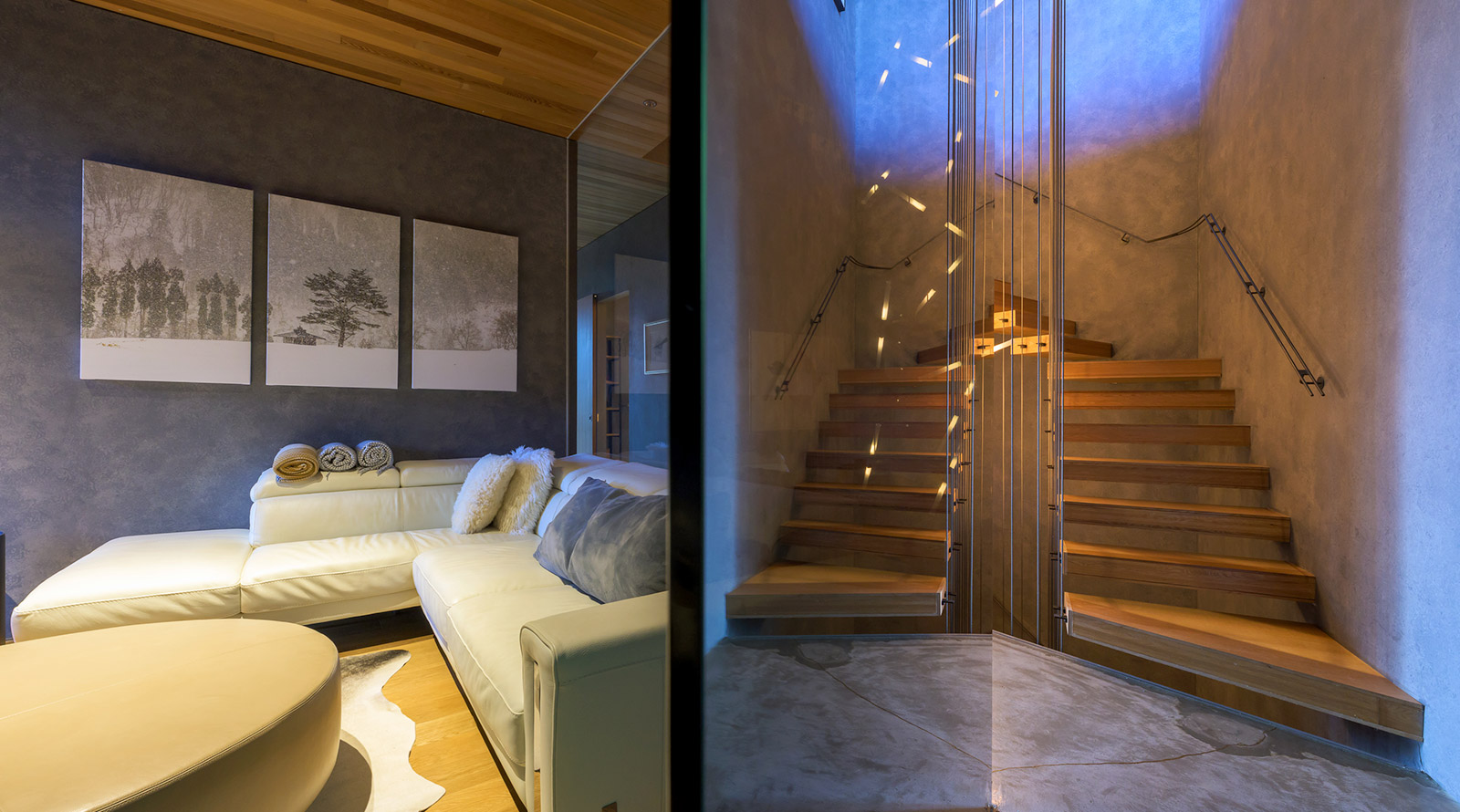
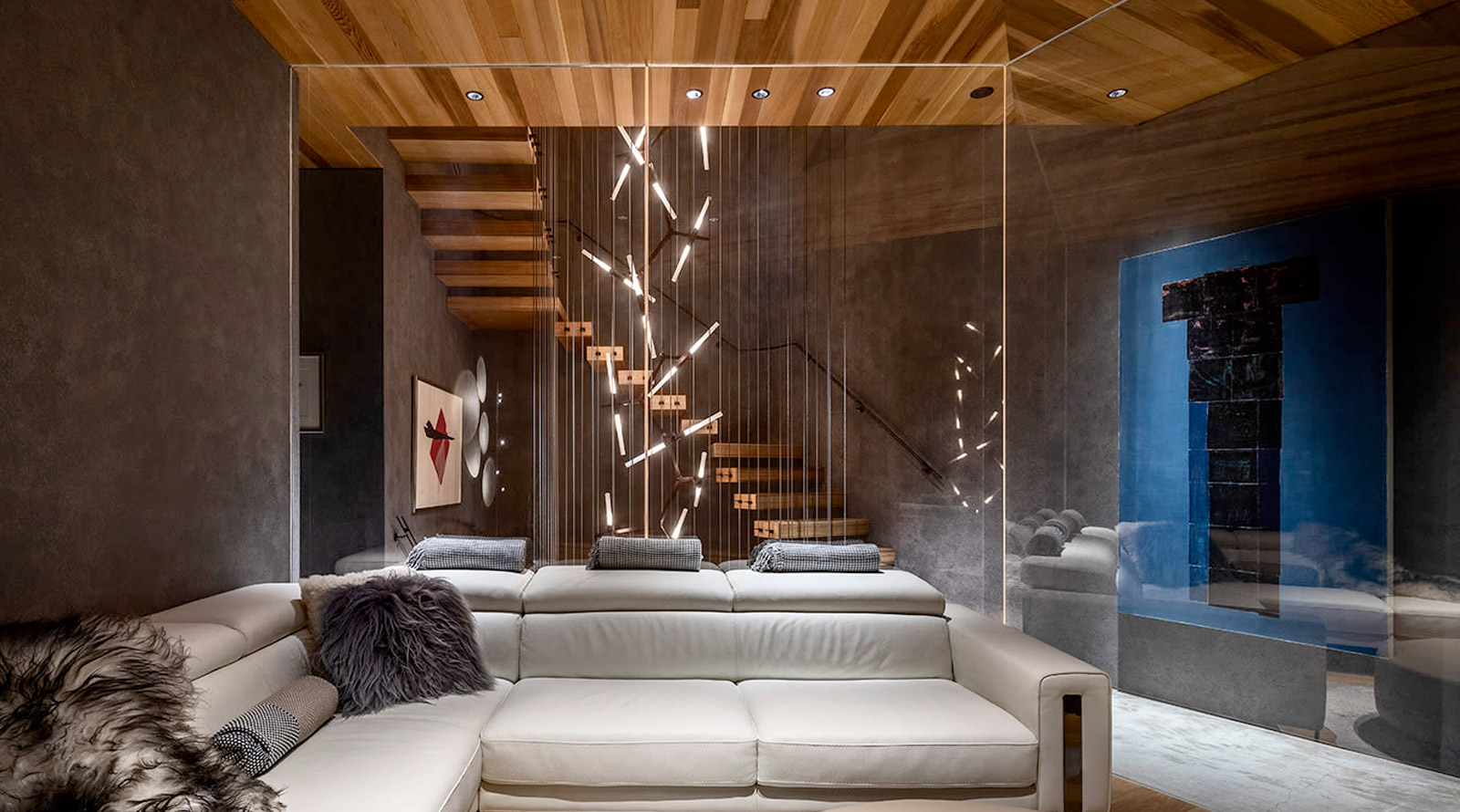
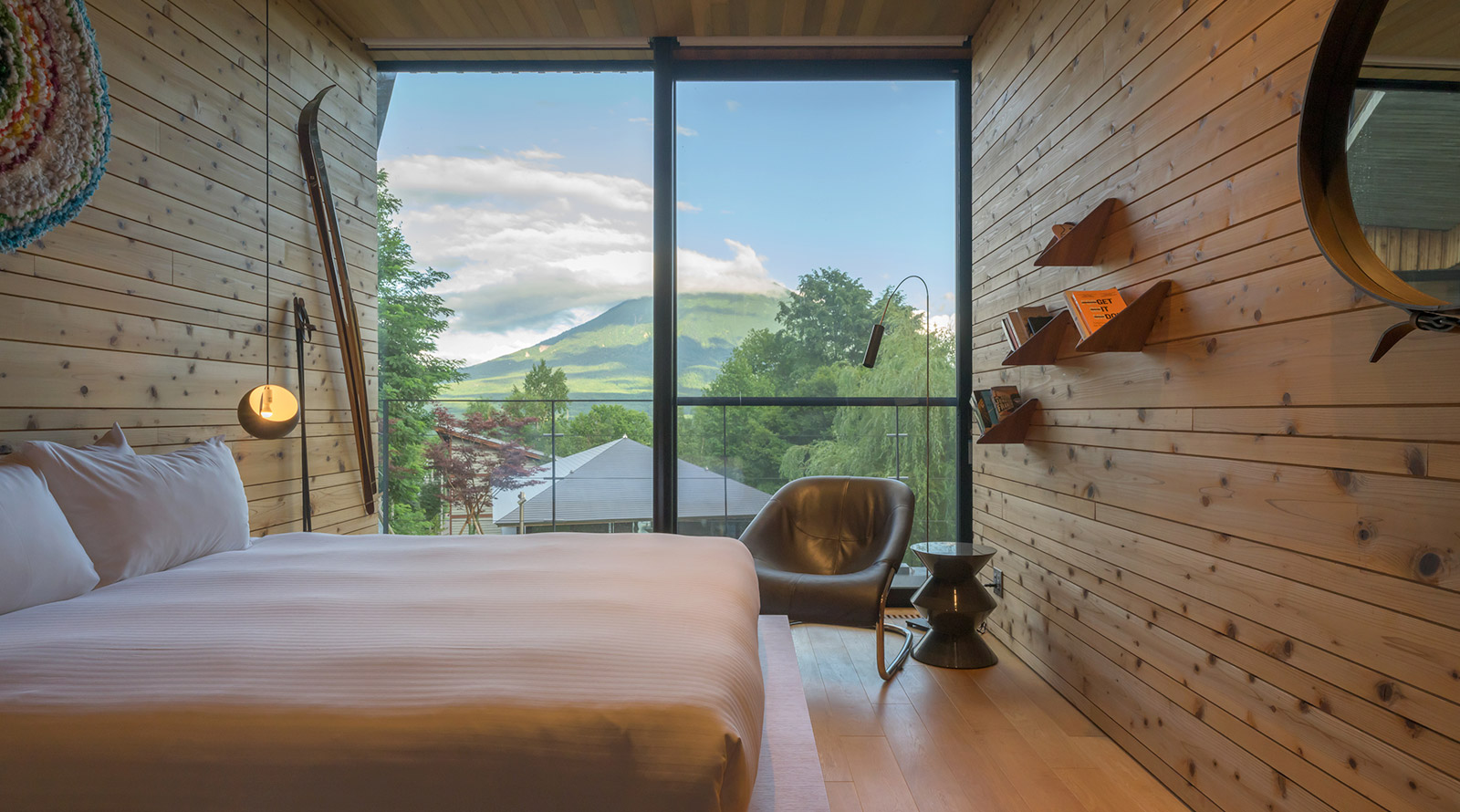
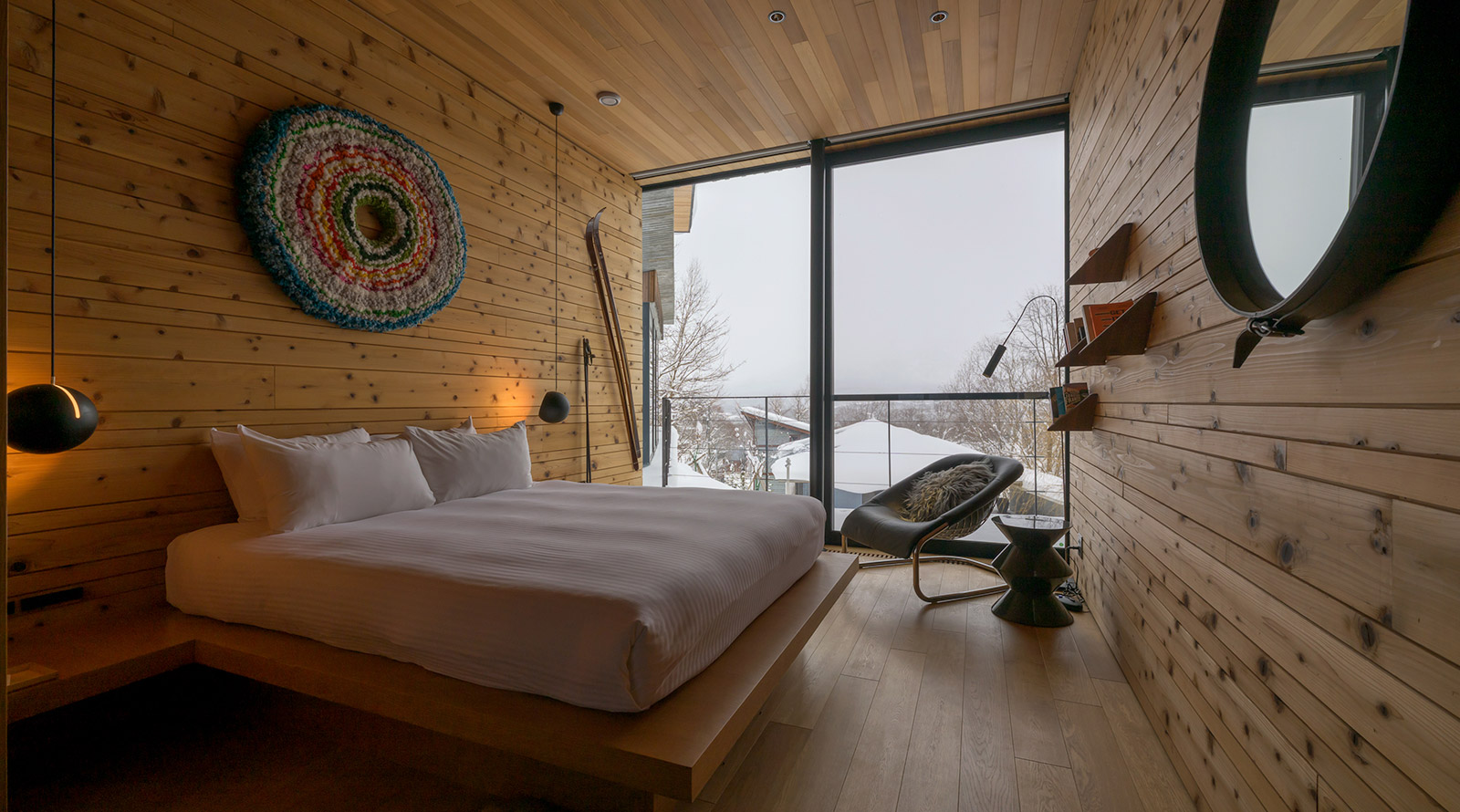
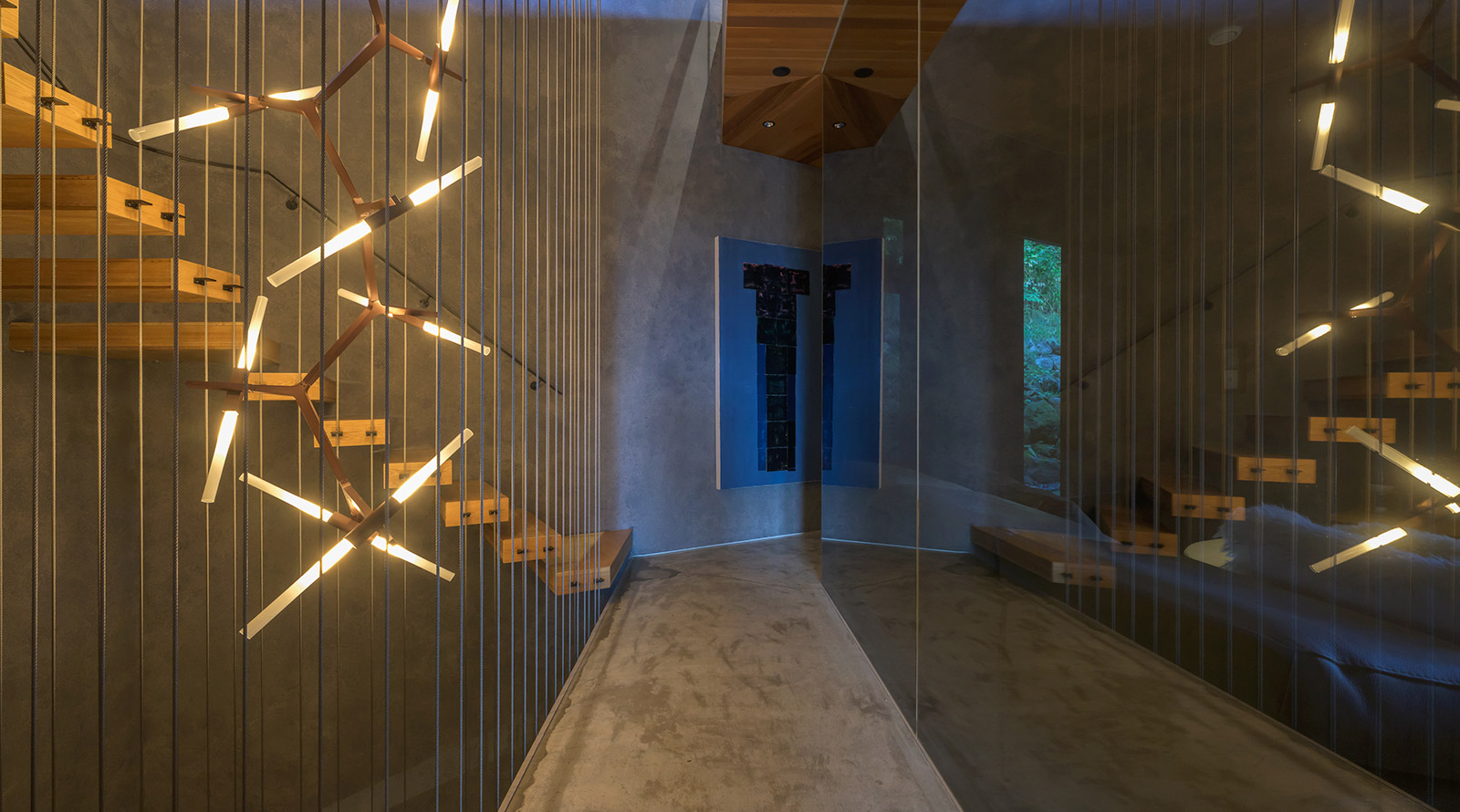
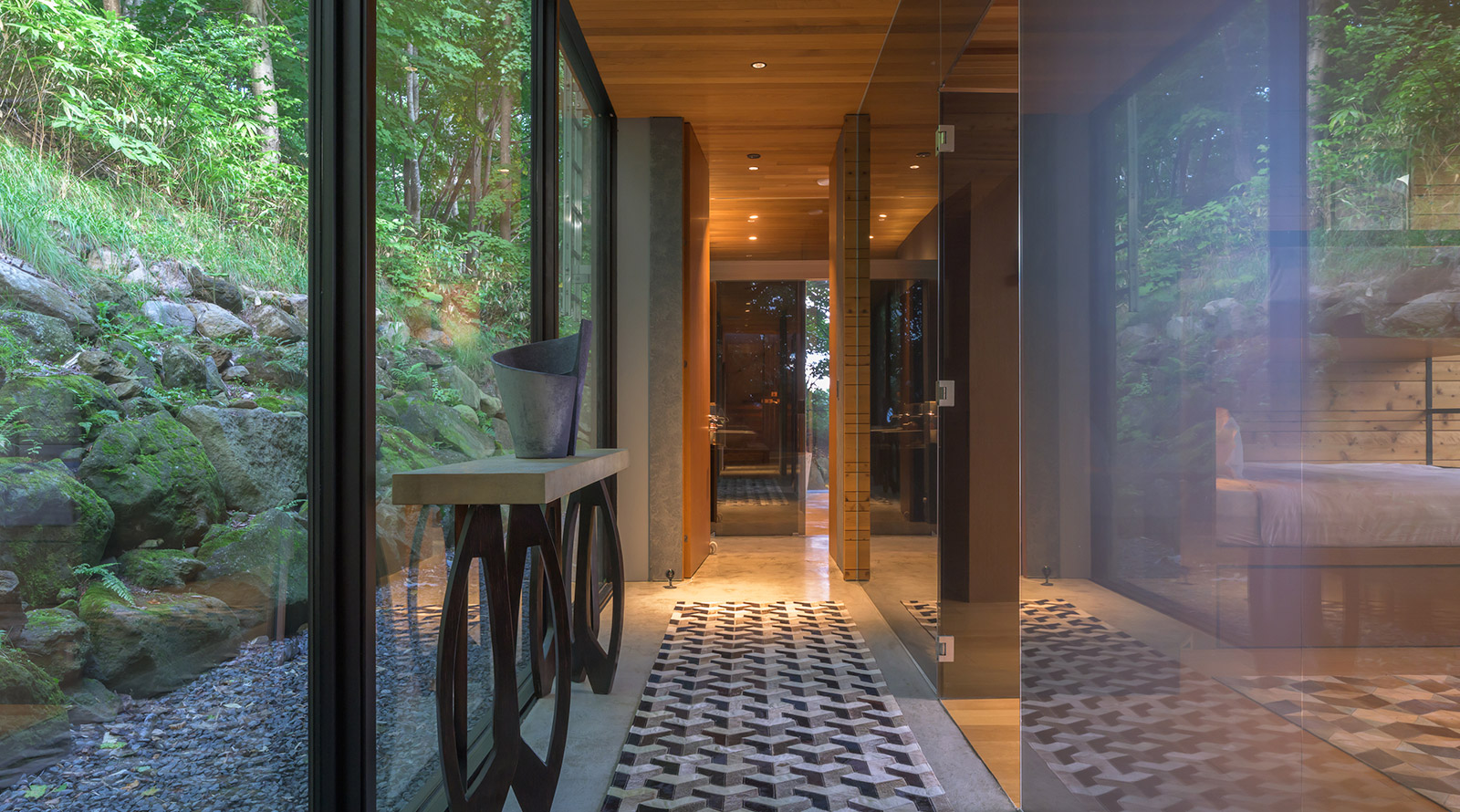
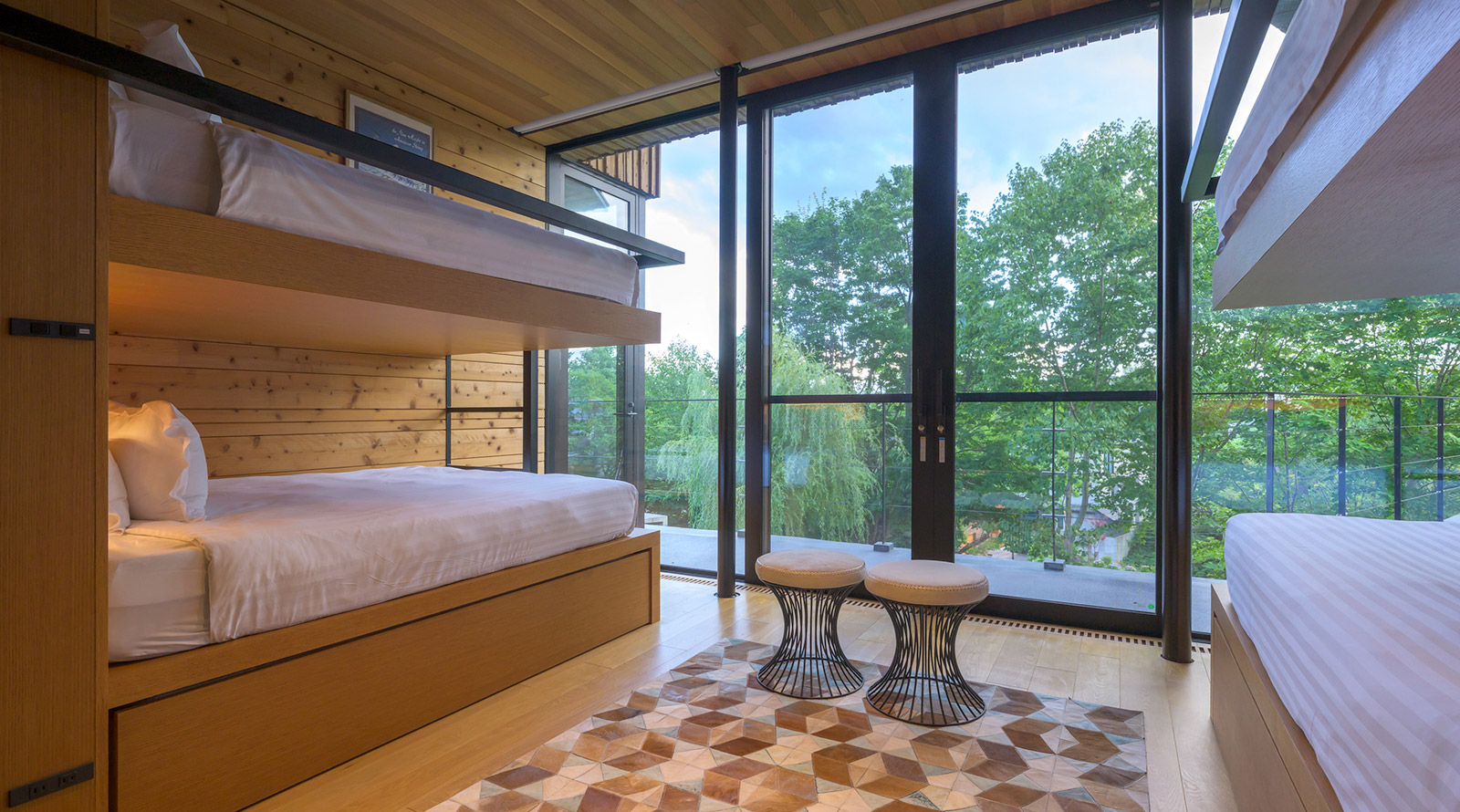
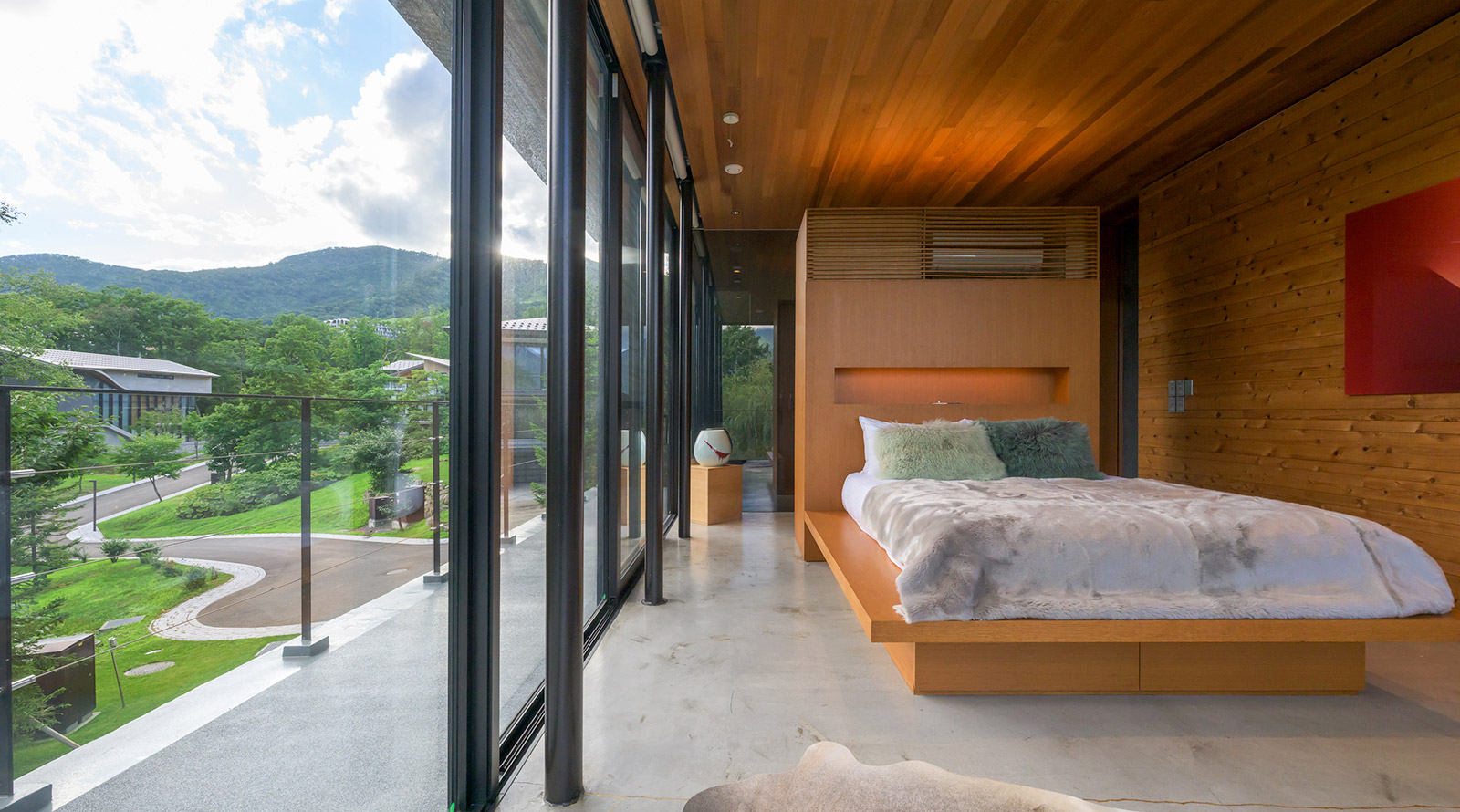
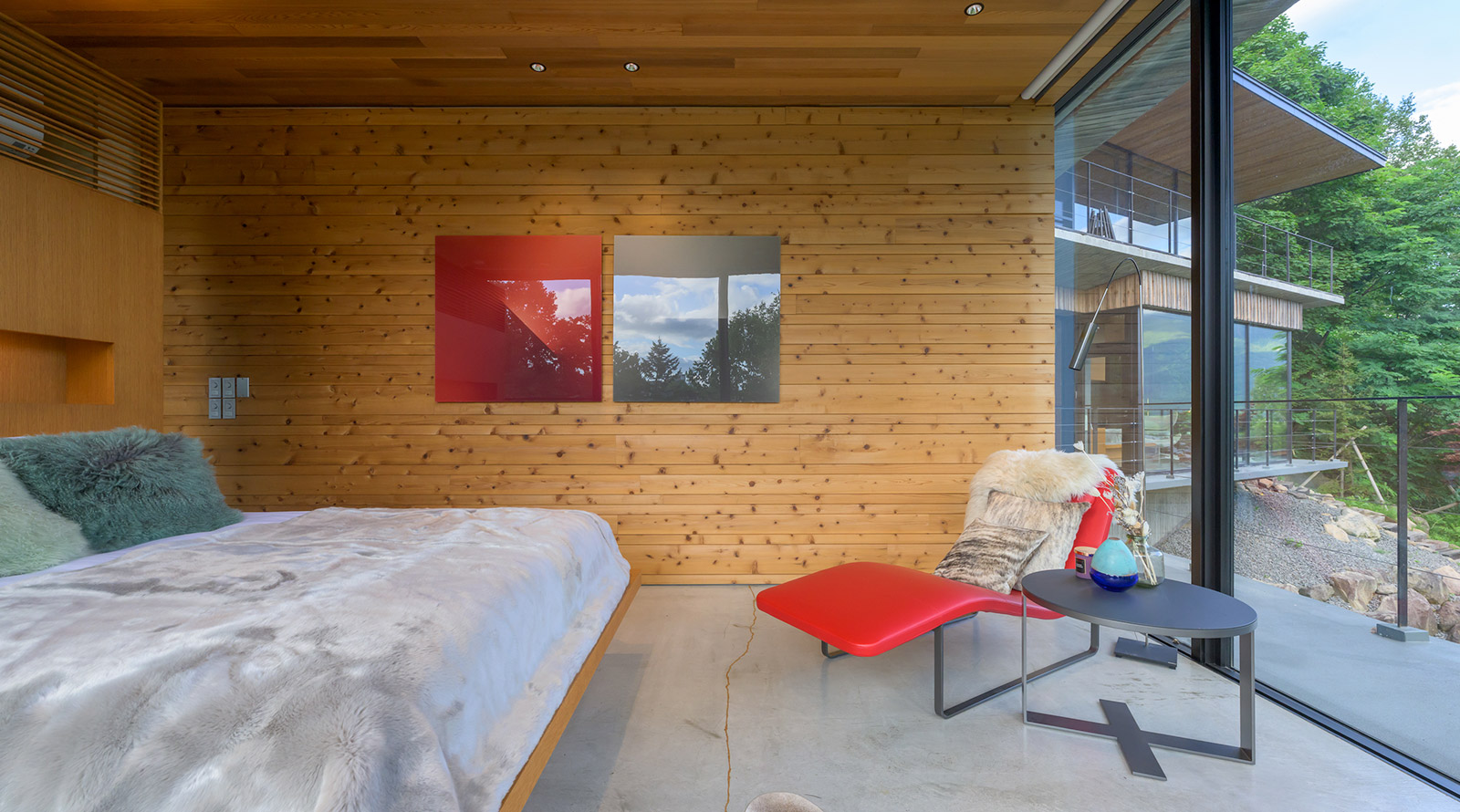
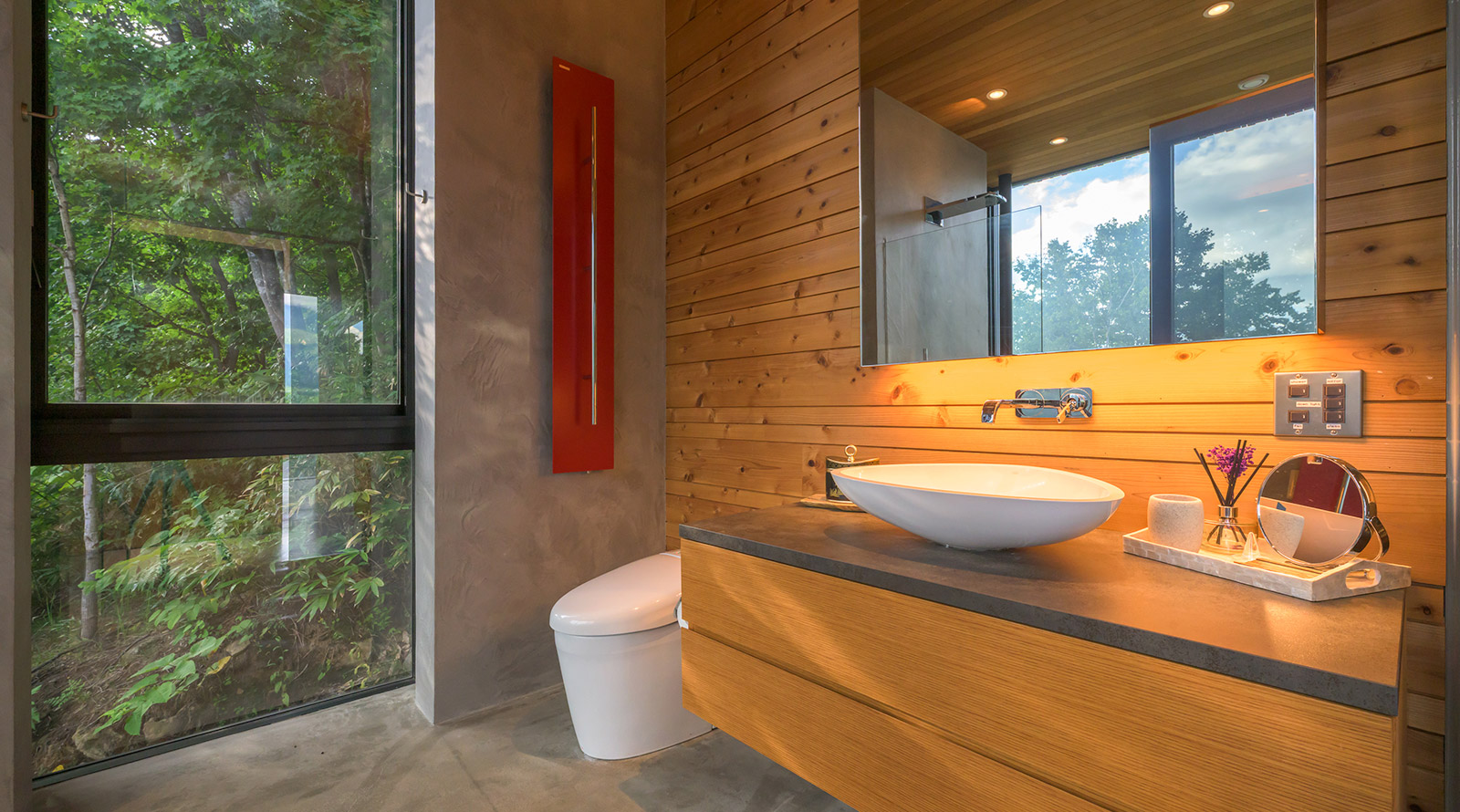
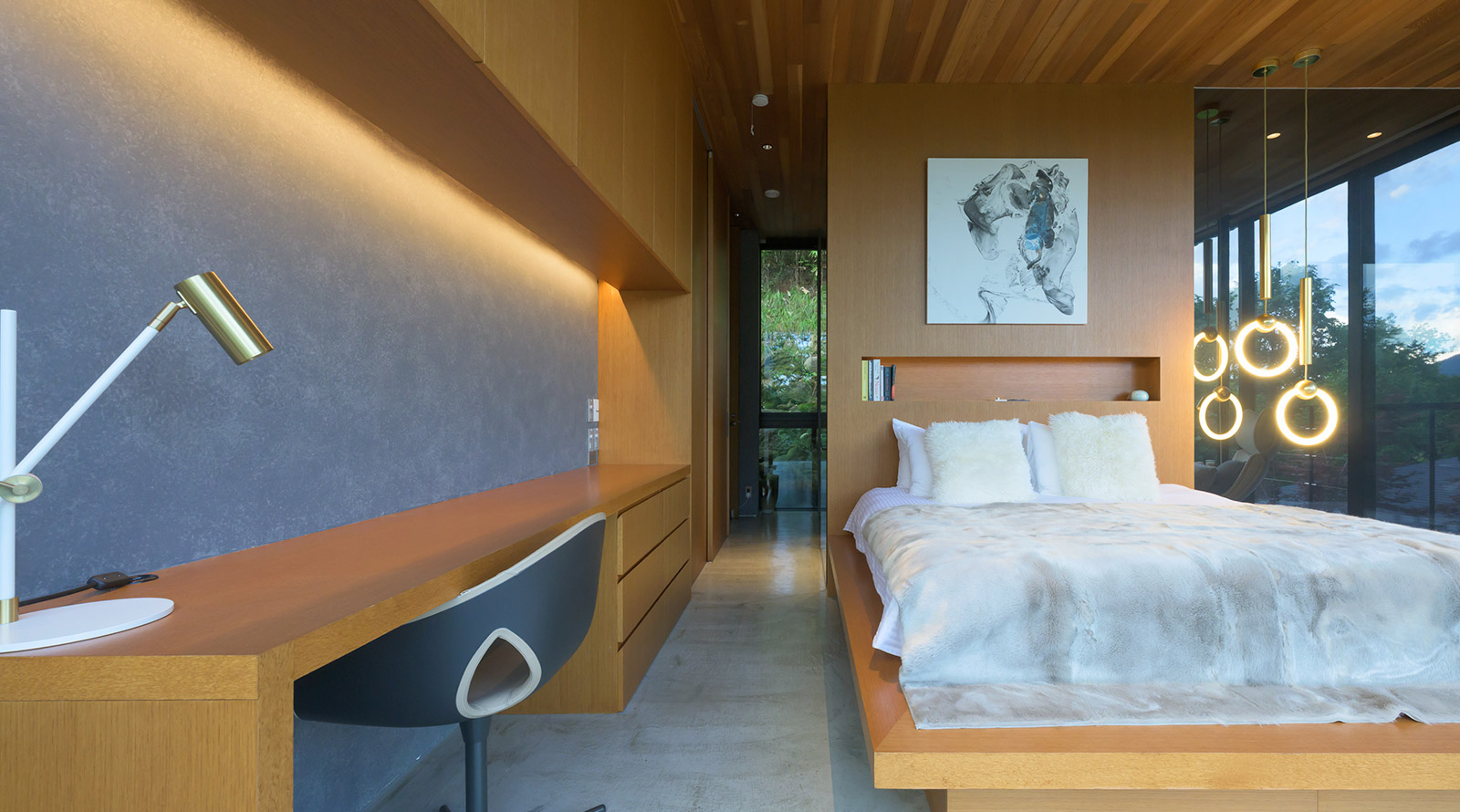
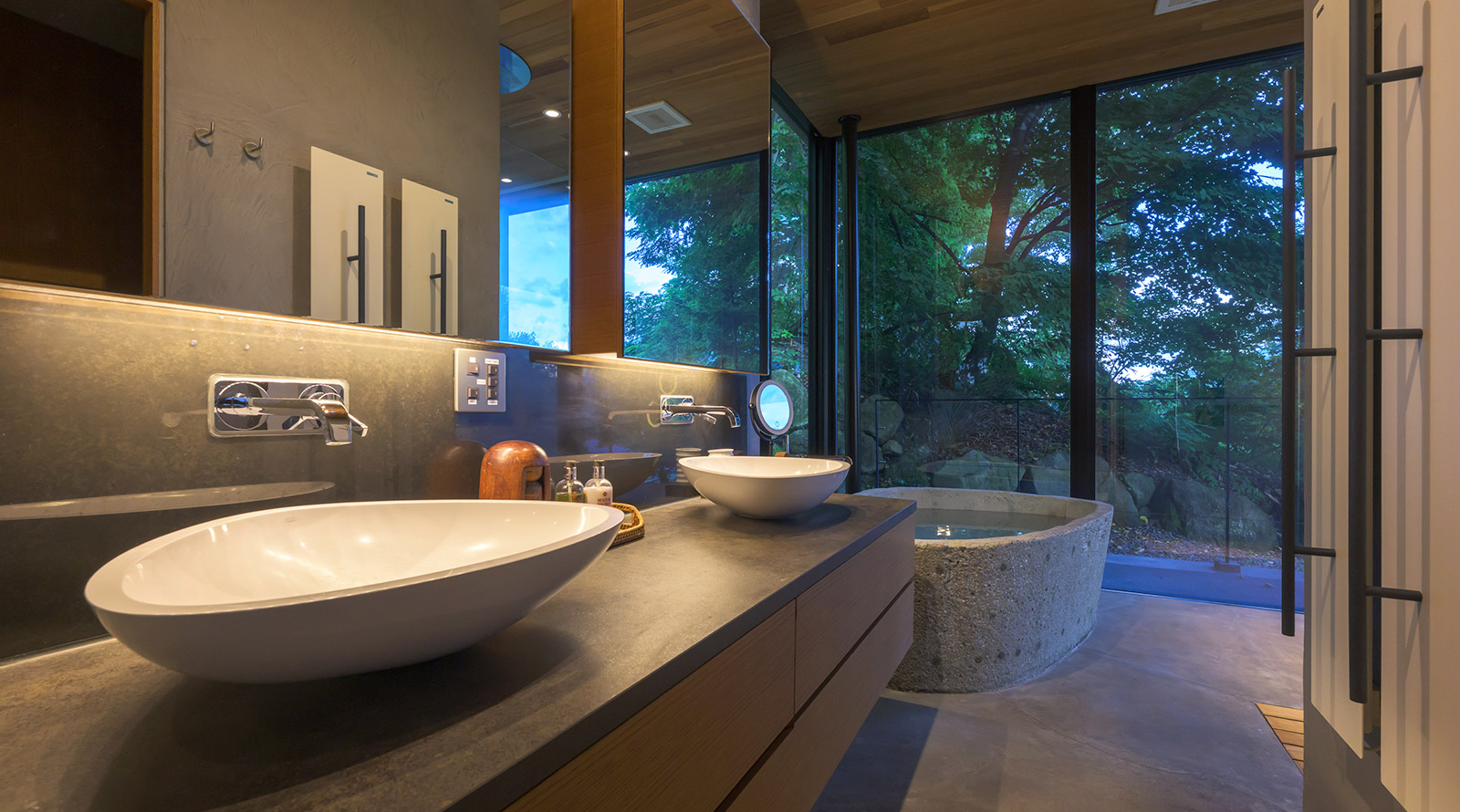
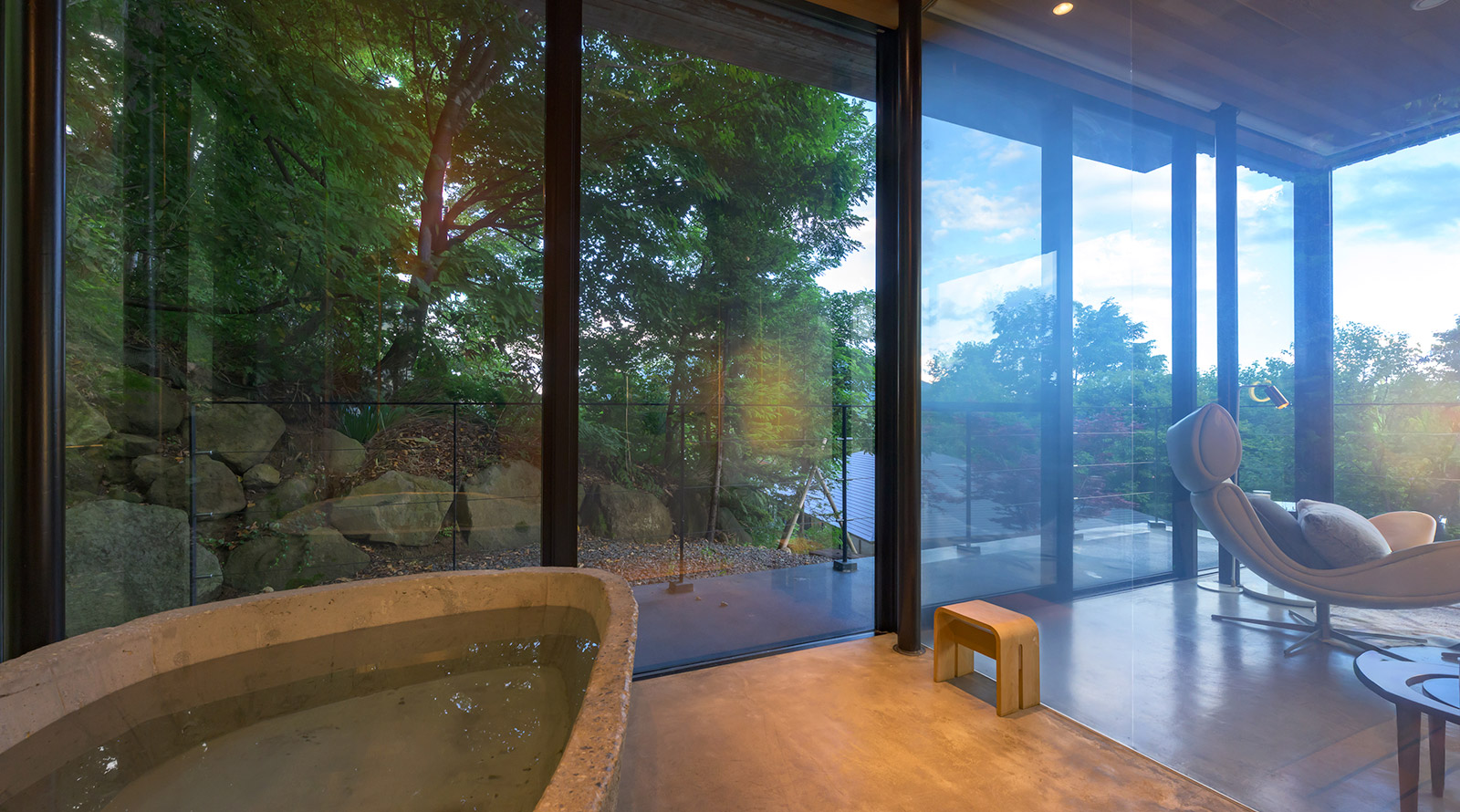
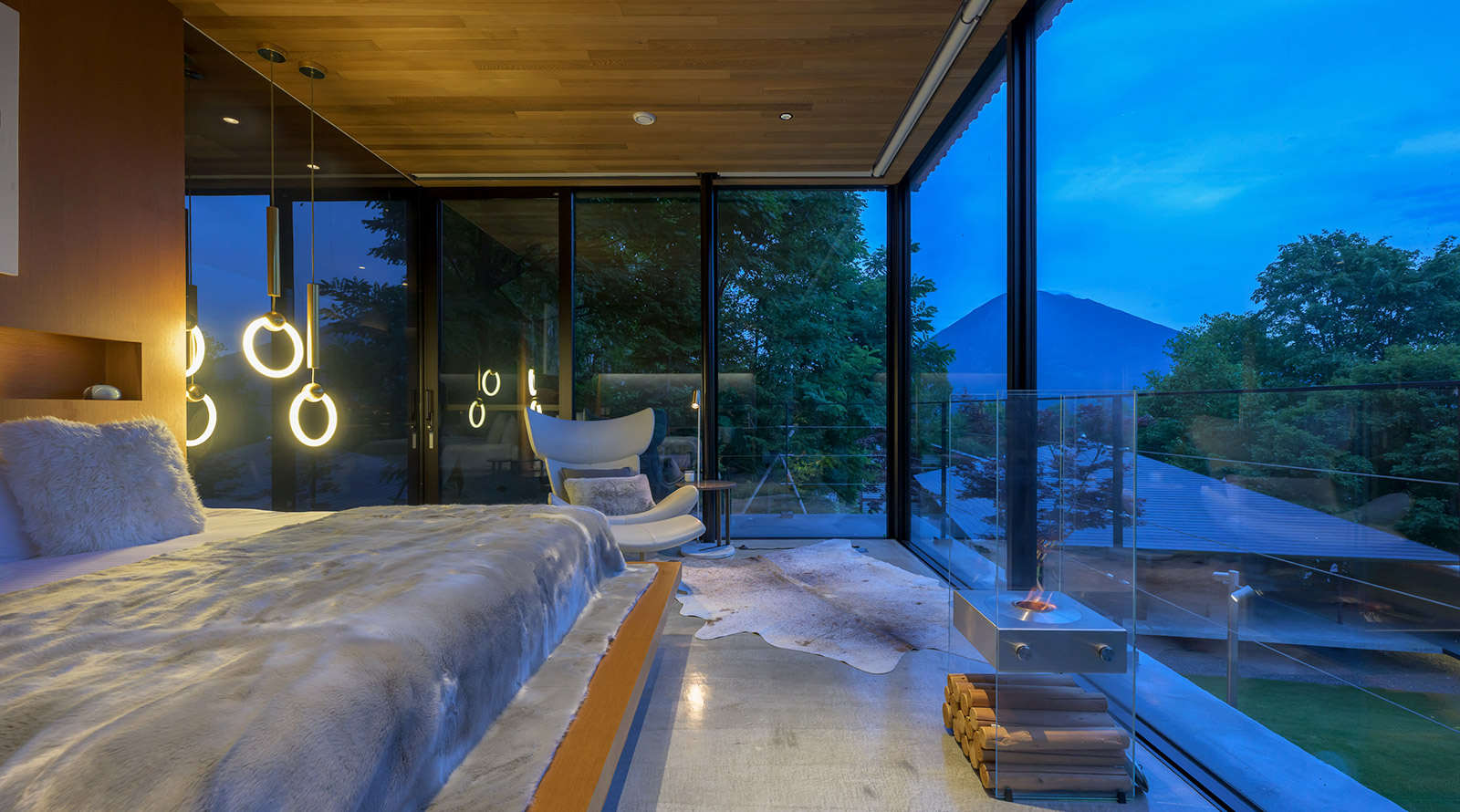
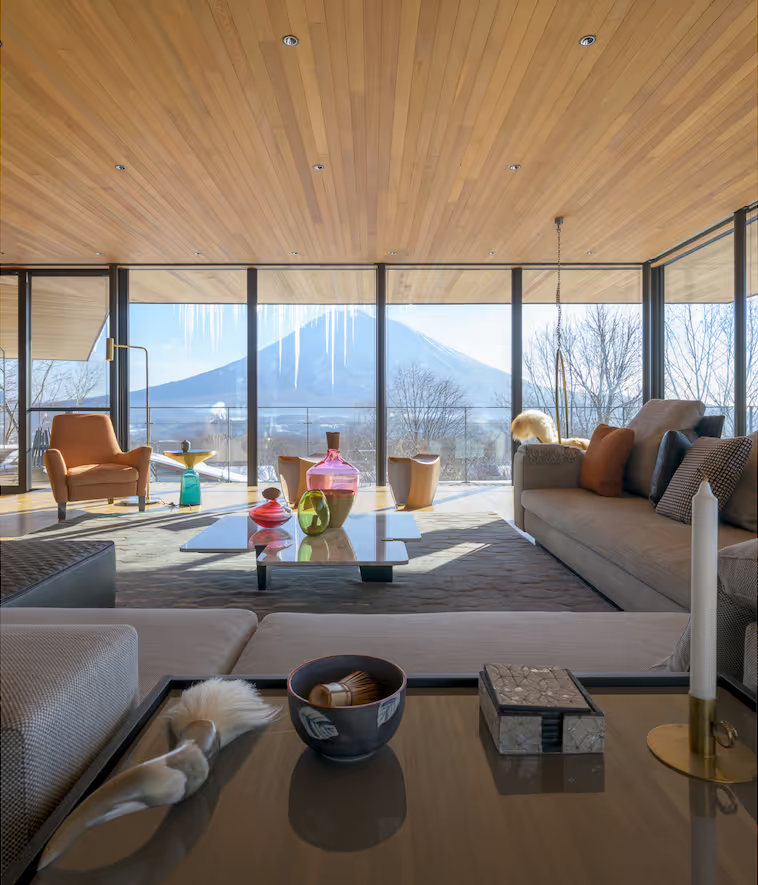
Lower floors utilised stone and concrete finishes, transitioning through to extensive use of oak flooring and cedar ceiling on the top floor. The extension of cedar ceiling to the generous over hanging external eaves reinforced the connection with the environment. Extensive use of privacy glass on the accommodation floor has allowed for greater light penetration to the rear of the house whilst preserving seclusion in bathrooms when required.

Interior Design
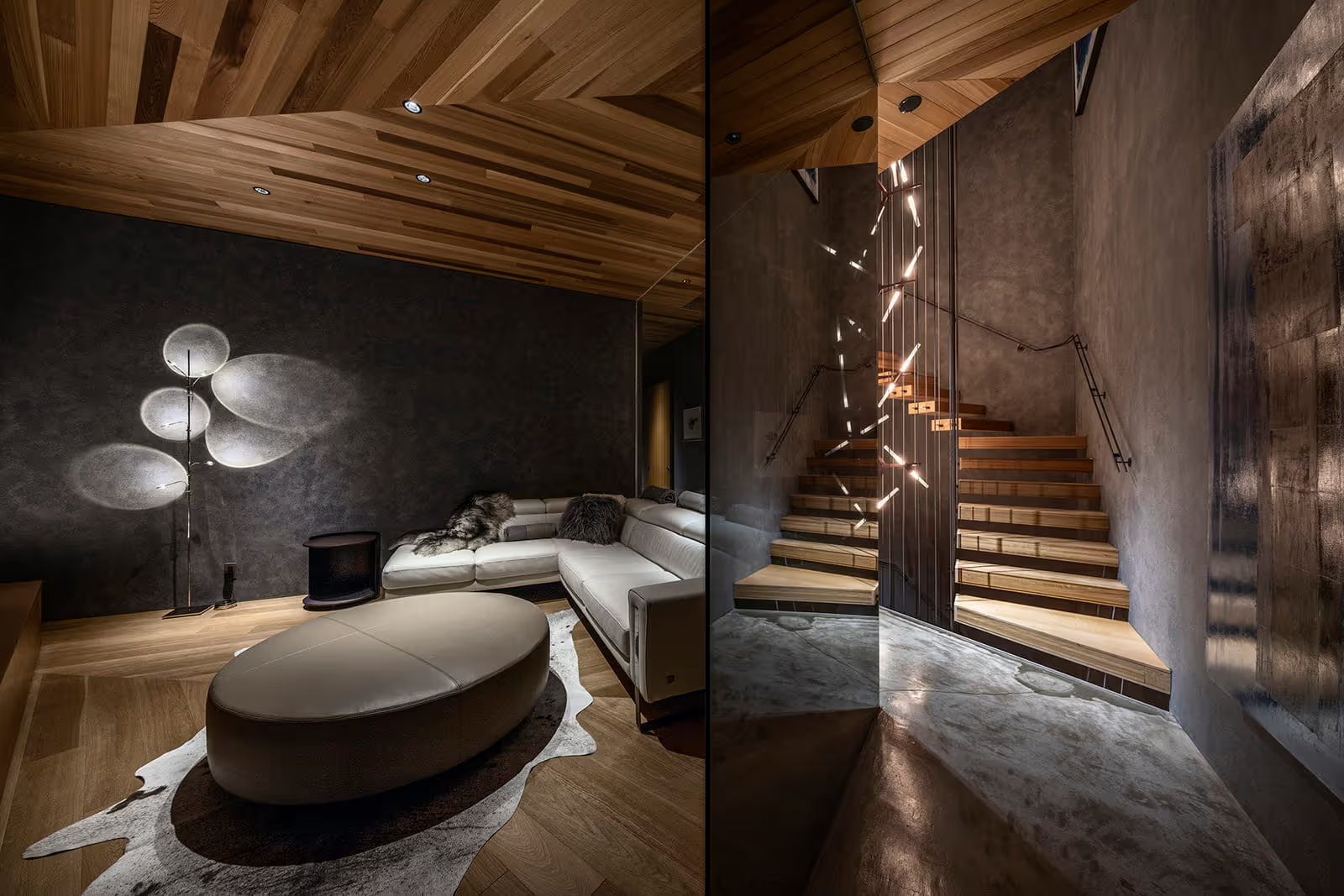
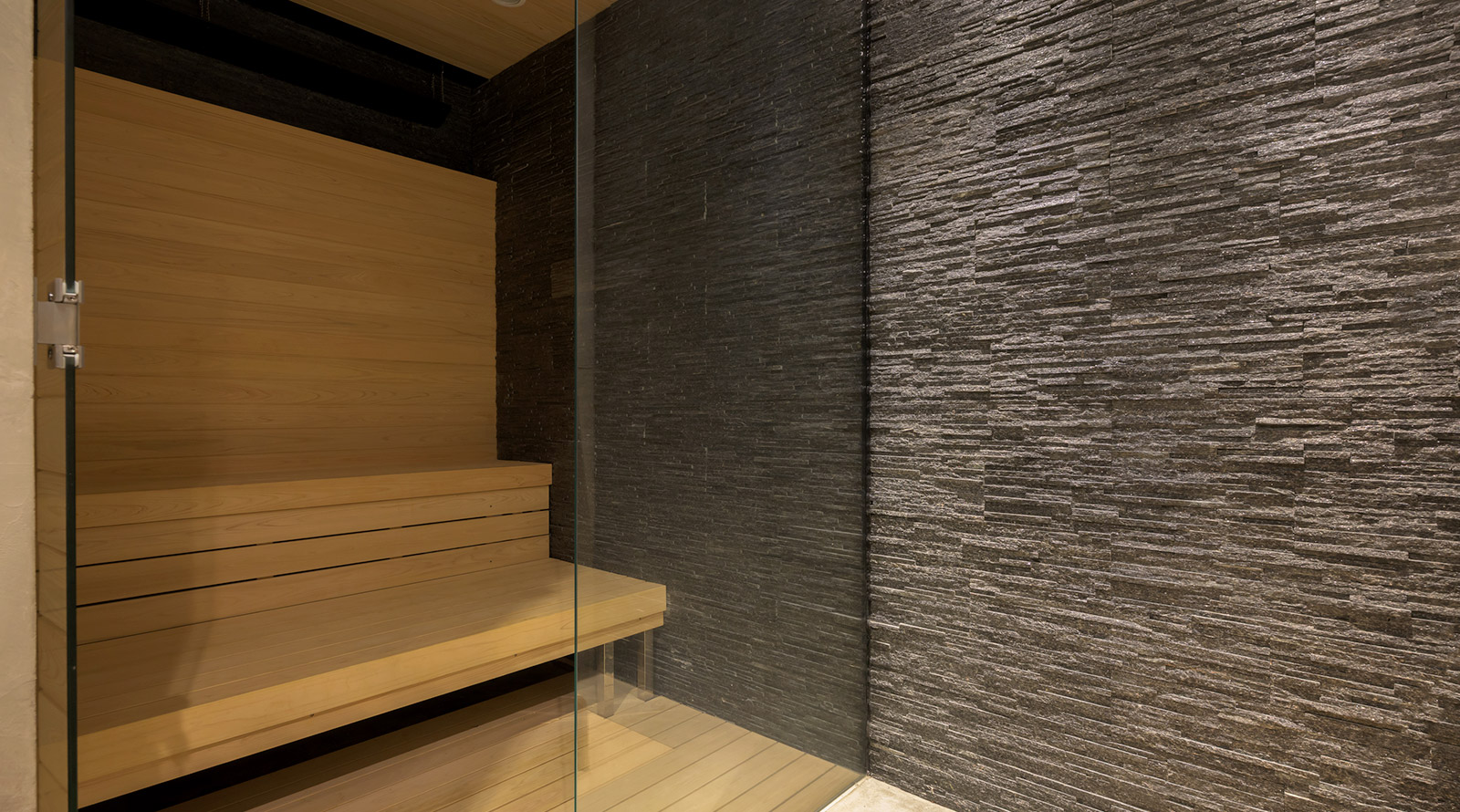
The curation of the furniture and furnishings sits well within the interior design, where hard and soft textures and the use of natural materials complement the architectural expressions. Stone and concrete are used for the bathrooms and oak flooring for the main area flooring. Western Red Cedar planks on the ceilings draw the view outwards. Here was a focus on the architecture and architectural skin, with the melding of the exterior and interior incorporated in the interior spatial expression. For example, furniture pieces were intentionally set away from the glass façade and walls to give the feeling of lightness and porosity.
Top Floor Walkthrough